



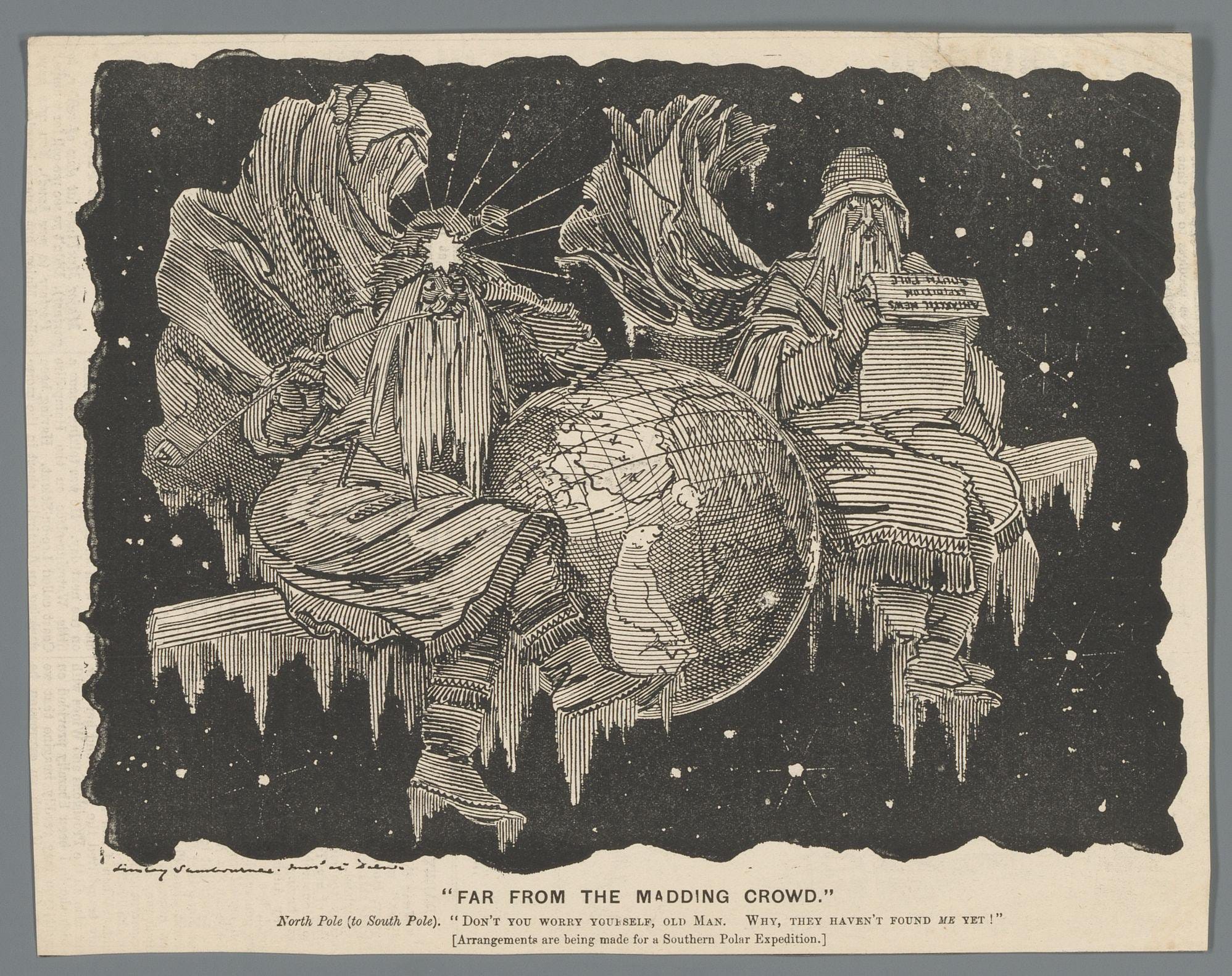
“At sunrise on January 19, a new land was seen,” wrote James Cook in Voyages Round the World. “Who would have thought that an island of no greater extent than this, situated between the latitude of 54° and 55°, should in the very height of summer be in a manner wholly covered, many fathoms deep, with frozen snow? The very sides and craggy summits of the lofty mountains were cased with snow and ice, but the quantity which lay in the valleys is incredible. It can hardly be doubted that a great deal of ice is formed here in the winter, which in the spring is broken off and dispersed over the sea, but the island cannot produce the ten-thousandth part of what we saw—so that either there must be more land or the ice is formed without it.”
EXCERPT FROM
THE SEA
Summer 2013
By February 22, I had made the circuit of the Southern Ocean in a high latitude and traversed it in such a manner as to leave not the least room for the possibility of there being a continent, unless near the pole and out of the reach of navigation. By twice visiting the tropical sea I had not only settled the situation of some old discoveries but made there many new ones, and left very little more to be done even in that part. Thus I flatter myself that the intention of the voyage has in every respect been fully answered: the Southern Hemisphere sufficiently explored and a final end put to the searching after a southern continent, which has at times engrossed the attention of some of the maritime powers for near two centuries past, and been a favorite theory among the geographers of all ages.
That there may be a continent near the pole I will not deny; on the contrary, I am of opinion there is, and that we have seen part of it. If anyone should have resolution and perseverance to clear up this point by proceeding farther than I have done, I shall not envy him the honor of the discovery, but I will be bold to say that the world will not be benefited by it.
NEW FROM LQ

Andrea Wulf on The Traveler: One Man’s Quest for Humanity from the South Seas to Revolutionary Paris, a narrative and intellectual biography of the German polymath George Forster. This unabridged, Substack edition of the episode includes an epilogue about George Forster’s Parisian exile during the tumult of the French Revolution. The lightly abridged, free version is available here and on most podcast channels.
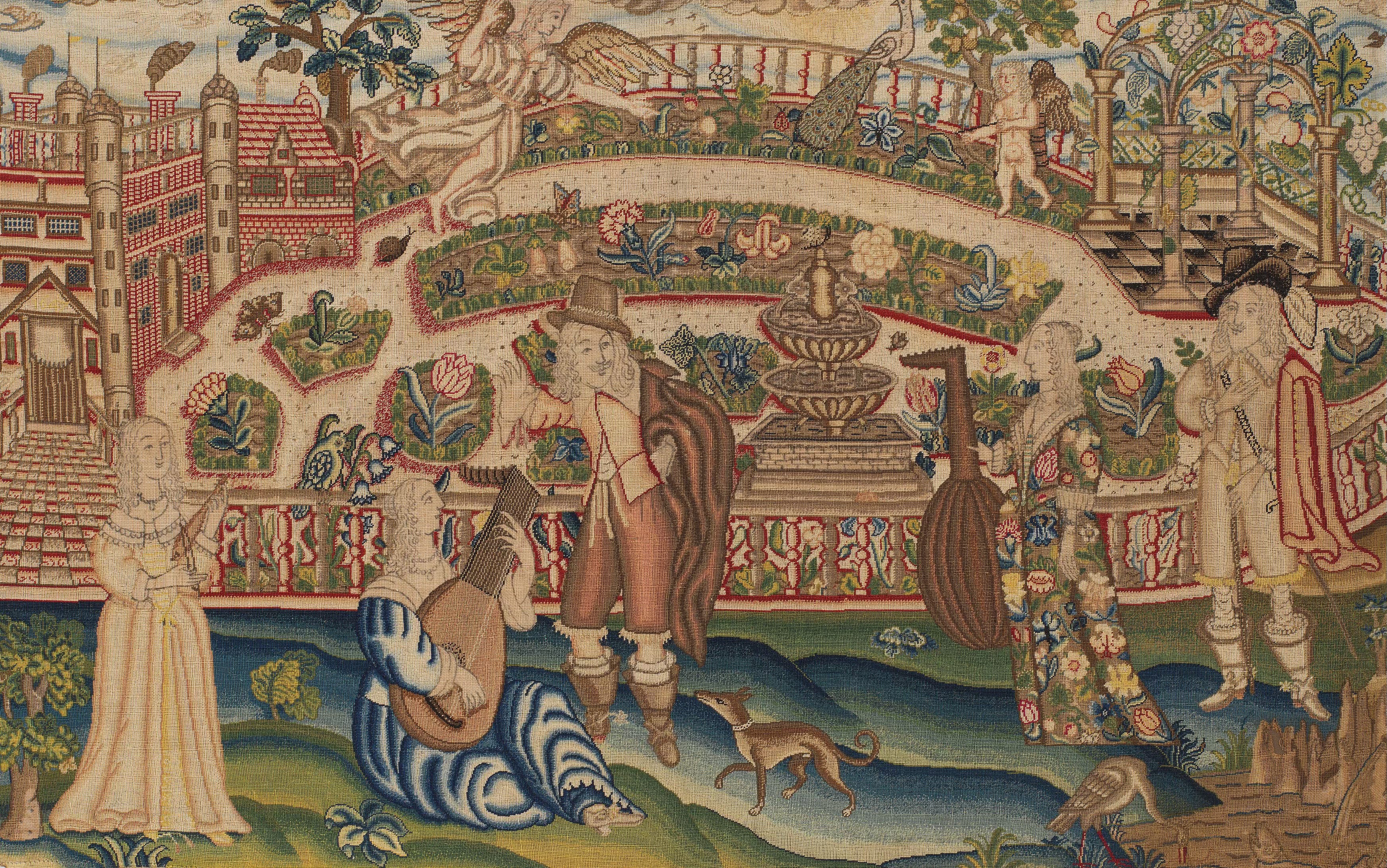
The Rest Is History
Apoorva Tadepalli
Holdout buildings, medieval abortion, and corporate raves.
Our digest of readings and obituaries is now on Substack.
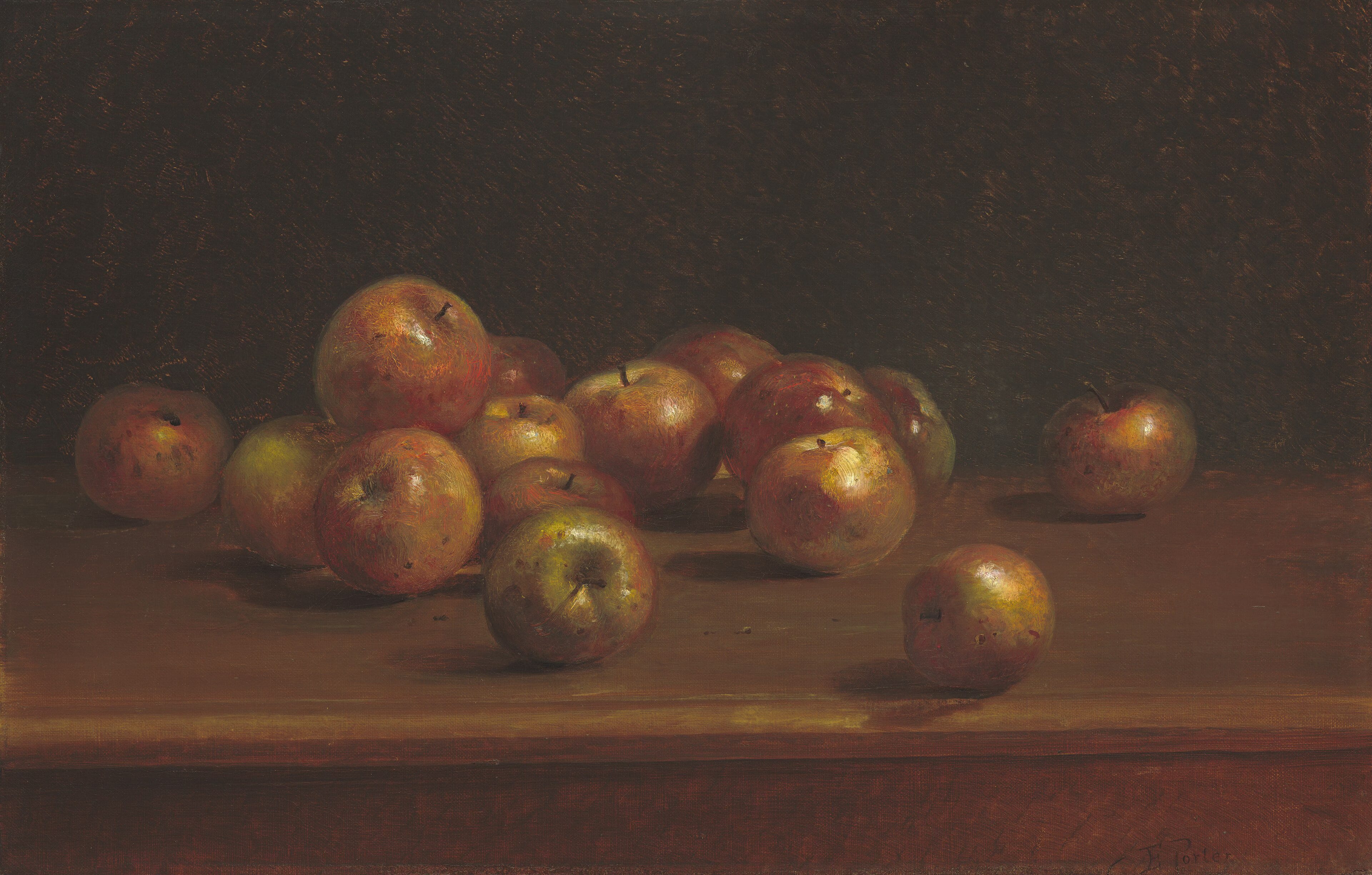
Extracts: On Flesh
Grace Andreasen
A collage of passages and images from the Fall 2016 issue.
“Flesh was the reason why oil painting was invented.” —Willem de Kooning, 1949
“Nothing, in fact, is less common and less communicable, and therefore more securely shielded against the visibility and audibility of the public realm, than what goes on within the confines of the body.” —Hannah Arendt, 1958
ENCORE

Daniel Mendelsohn on his new translation of The Odyssey. Lewis H. Lapham on his childhood reading of Moby Dick, his greenhorn voyages, and a doomed shipwreck hunt in the early 1960s that Lapham wrote about for The Saturday Evening Post.

Join LQ at the Arendt Forum, October 15-17, 2026.

Lapham’s Quarterly and the Lapham’s Quarterly Substack are projects of the American Agora Foundation, which is dedicated to fostering an appreciation of, and acquaintance with, the uses and value of history. You can find information about the Quarterly’s ongoing revival here.