

Extracts
On Animals

Selected from the Spring 2013 issue of Lapham’s Quarterly.
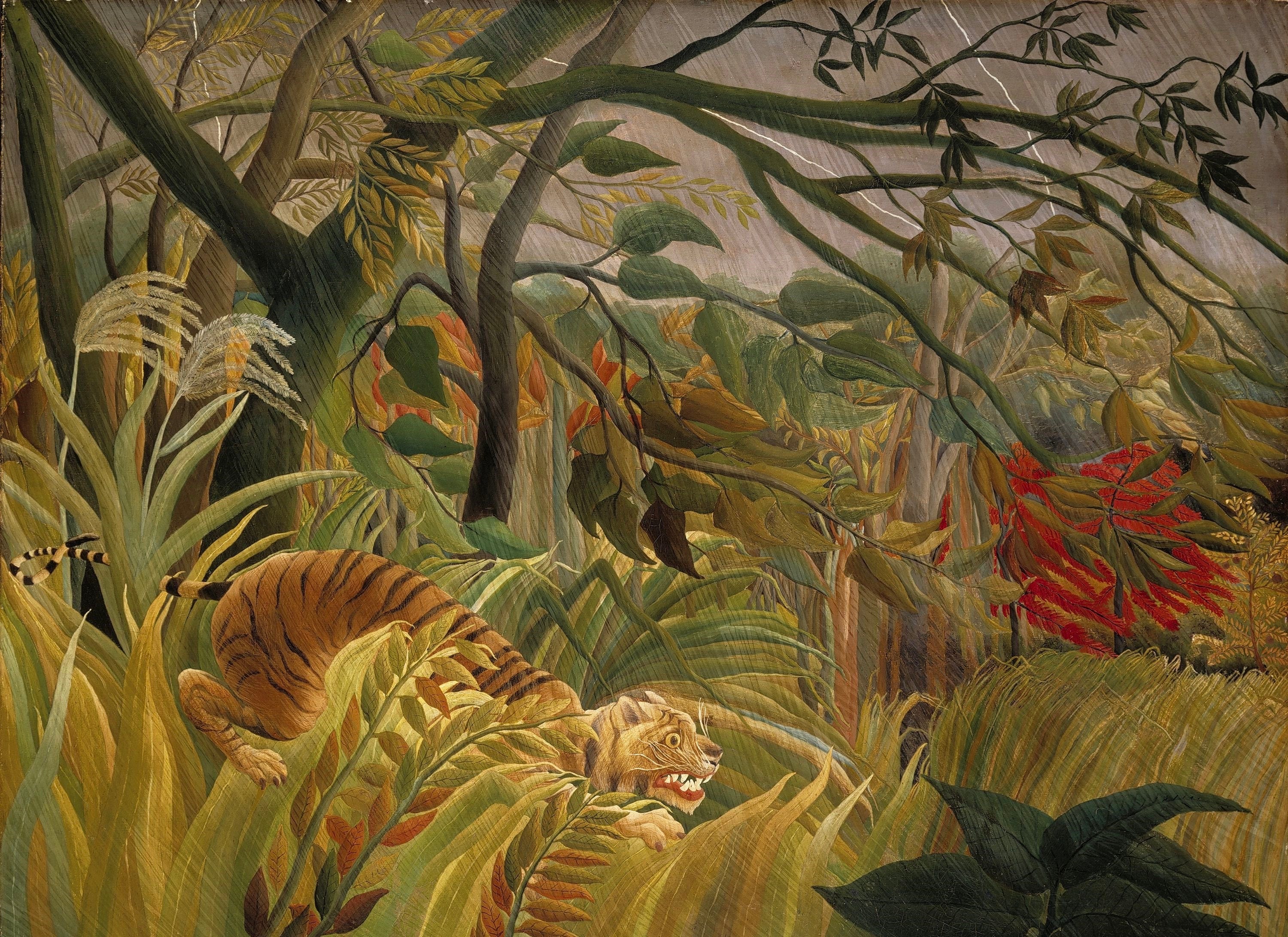

How like to us is that filthy beast the ape.
—Cicero, 45 BC
Every creature in the world is like a book and a picture, to us, and a mirror.
—Alain de Lille, c. 1200
An ape will be an ape, though clad in purple.
—Erasmus, 1511
Man is a noble animal, splendid in ashes and pompous in the grave.
—Thomas Browne, 1658
Be a good animal, true to your animal instincts.
—D.H. Lawrence, 1911
In every man is a wild beast; most of them don’t know how to hold it back, and the majority give it full rein when they are not restrained by terror of law.
—Frederick the Great, 1759
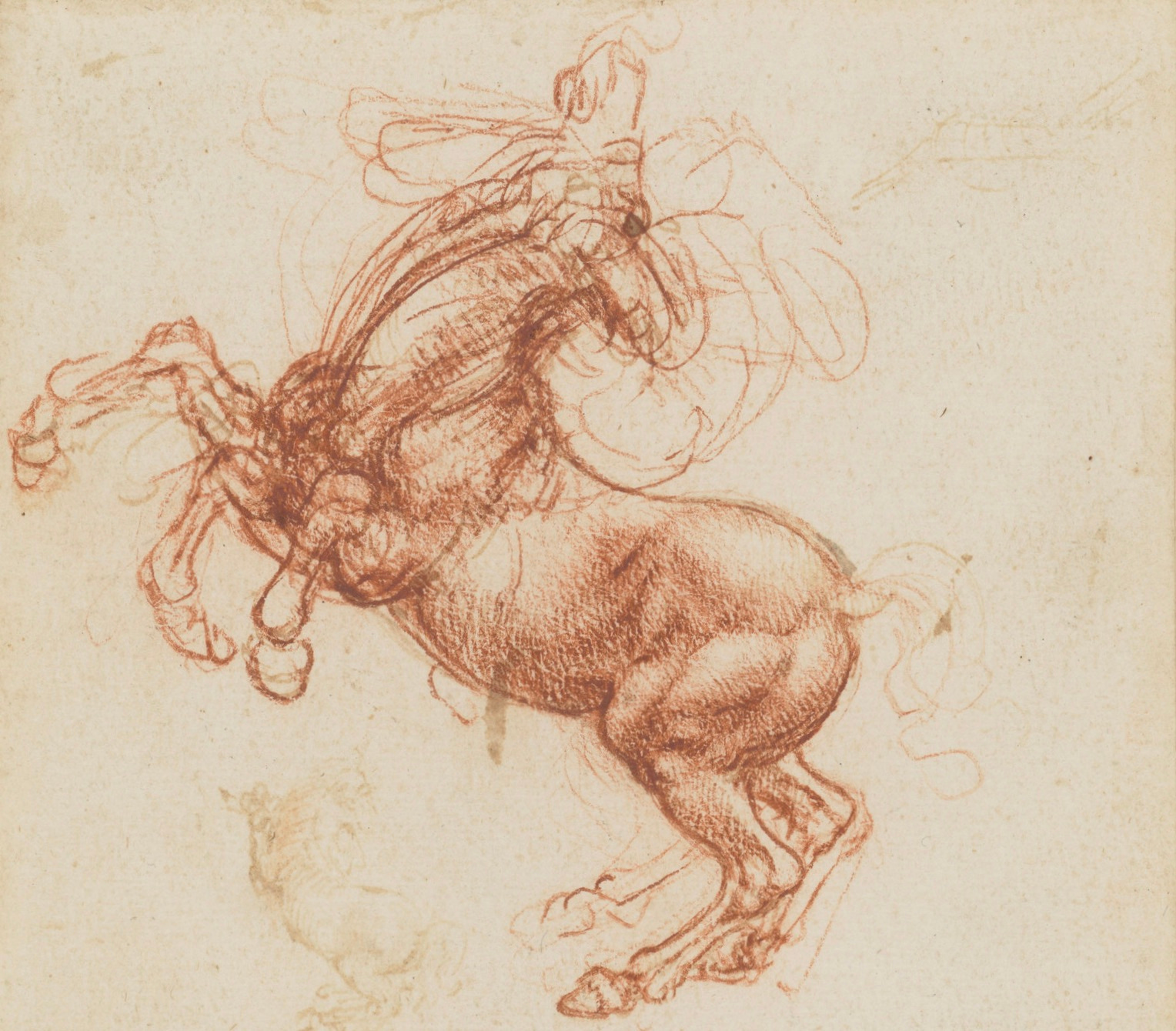
Imitate the ass in his love to his master.
—St. John Chrysostom, c. 388
Man is no man, but a wolf, to a stranger.
—Plautus, c. 200 BC
A bull contents himself with one meadow, and one forest is enough for a thousand elephants; but the little body of a man devours more than all other living creatures.
—Seneca the Younger, c. 64
It is remarkable that only small birds properly sing.
—Charles Darwin, 1871
Man is a troublesome animal and therefore is not very manageable.
—Plato, c. 349 BC
Who sleepeth with dogs shall rise with fleas.
—John Florio, 1578
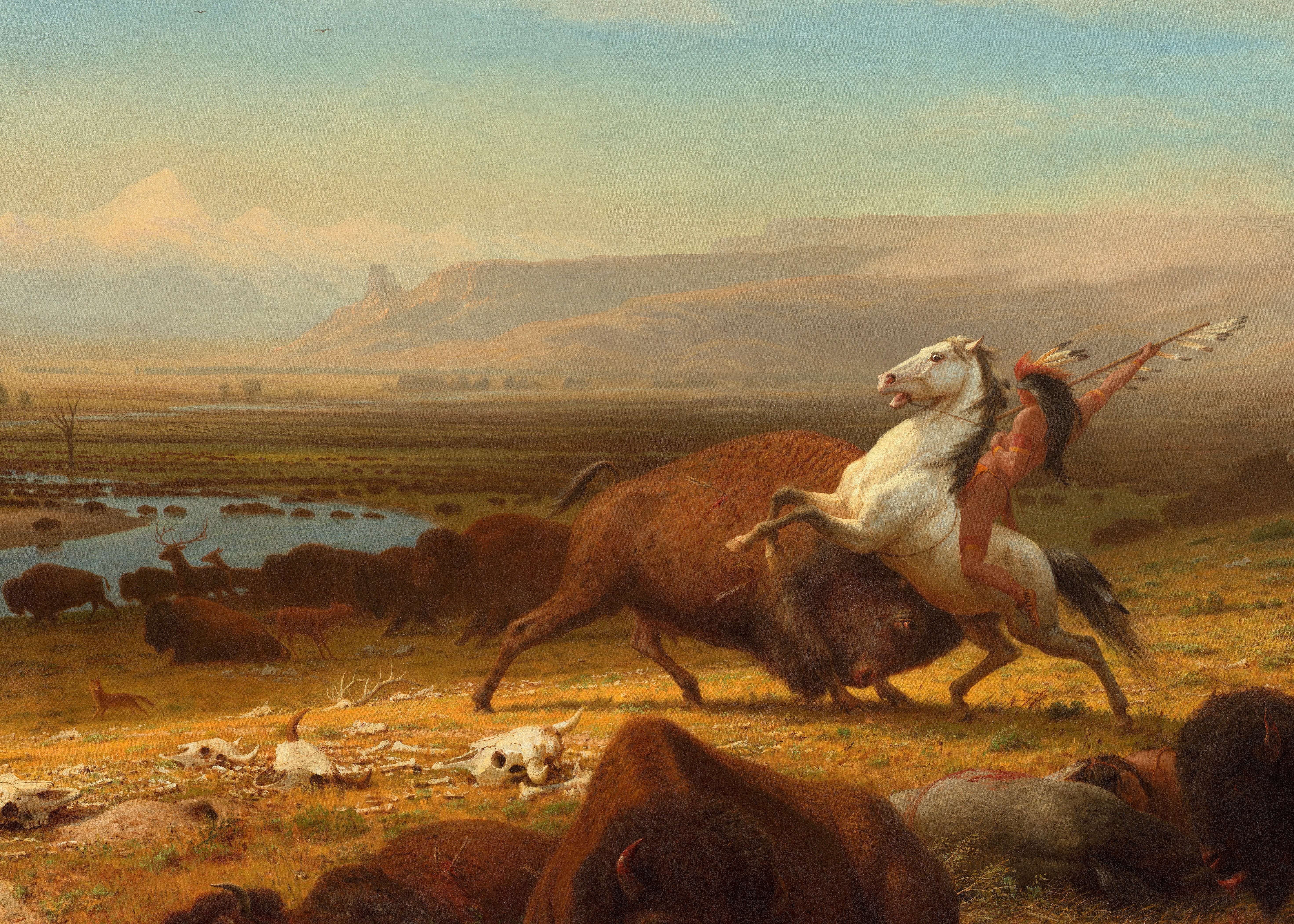

Animals are in possession of themselves; their soul is in possession of their body. But they have no right to their life, because they do not will it.
—Georg Wilhelm Friedrich Hegel, 1821
Man is merely a more perfect animal than the rest. He reasons better.
—Napoleon Bonaparte, 1816
Man, when perfected, is the best of animals, but when separated from law and justice, he is the worst of all.
—Aristotle, c. 350 BC
Man and animals are really the conduit of food, the sepulcher of animals, and resting place of the dead, one causing the death of the other, making themselves the covering for the corruption of other dead bodies.
—Leonardo da Vinci, c. 1500
Man is the only animal that can remain on friendly terms with the victims he intends to eat until he eats them.
—Samuel Butler, c. 1890
Histories are more full of examples of the fidelity of dogs than of friends.
—Alexander Pope, 1709
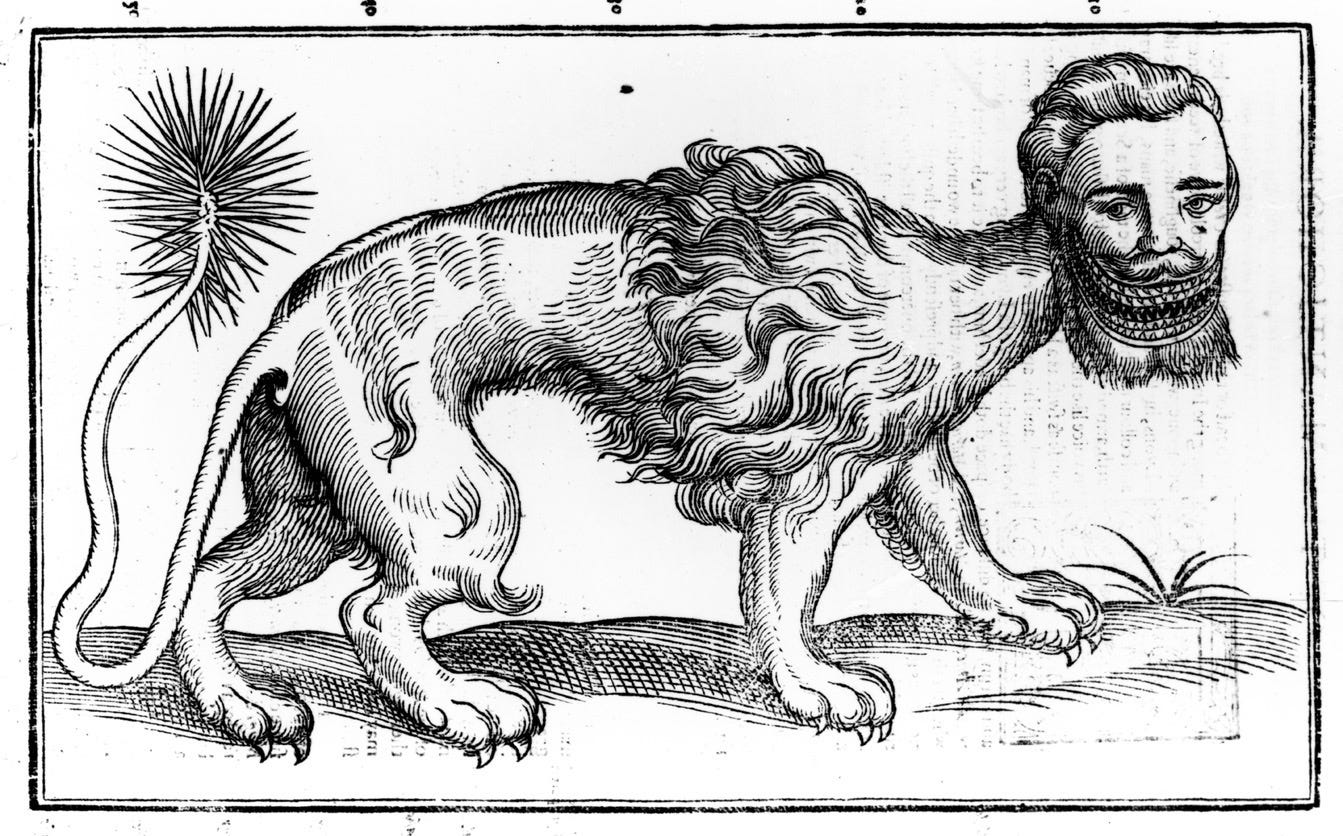
There be beasts that, at a year old, observe more, and pursue that which is for their good more prudently, than a child can do at ten.
—Thomas Hobbes, 1651
I do not mean to call an elephant a vulgar animal, but if you think about him carefully, you will find that his nonvulgarity consists in such gentleness as is possible to elephantine nature—not in his insensitive hide, nor in his clumsy foot, but in the way he will lift his foot if a child lies in his way; and in his sensitive trunk, and still more sensitive mind, and capability of pique on points of honor.
—John Ruskin, 1860
Animals are such agreeable friends—they ask no questions, they pass no criticisms.
—George Eliot, 1857
Animals are good to think with.
—Claude Lévi-Strauss, 1962
The fox knows lots of tricks, the hedgehog only one—but it’s a winner.
—Archilochus, c. 650 BC
Keep running after a dog, and he will never bite you.
—François Rabelais, 1535
Of all the creatures that breathe and creep on the surface of the earth, none is more to be pitied than man.
—Homer, c. 750 BC
Animals have these advantages over man: they never hear the clock strike, they die without any idea of death, they have no theologians to instruct them, their last moments are not disturbed by unwelcome and unpleasant ceremonies, their funerals cost them nothing, and no one starts lawsuits over their wills.
—Voltaire, 1769
Alas! We are ridiculous animals.
—Horace Walpole, 1777
Go to the ant, you lazybones; consider its ways, and be wise.
—Book of Proverbs, c. 350 BC
Lapham’s Quarterly is a project of the American Agora Foundation, which is dedicated to fostering an appreciation of, and acquaintance with, the uses and value of history. Please help us continue our work. Donate today.
ANIMALS
Spring 2013