

Extracts
On States of Mind

Selected from the Winter 2018 issue of Lapham’s Quarterly.
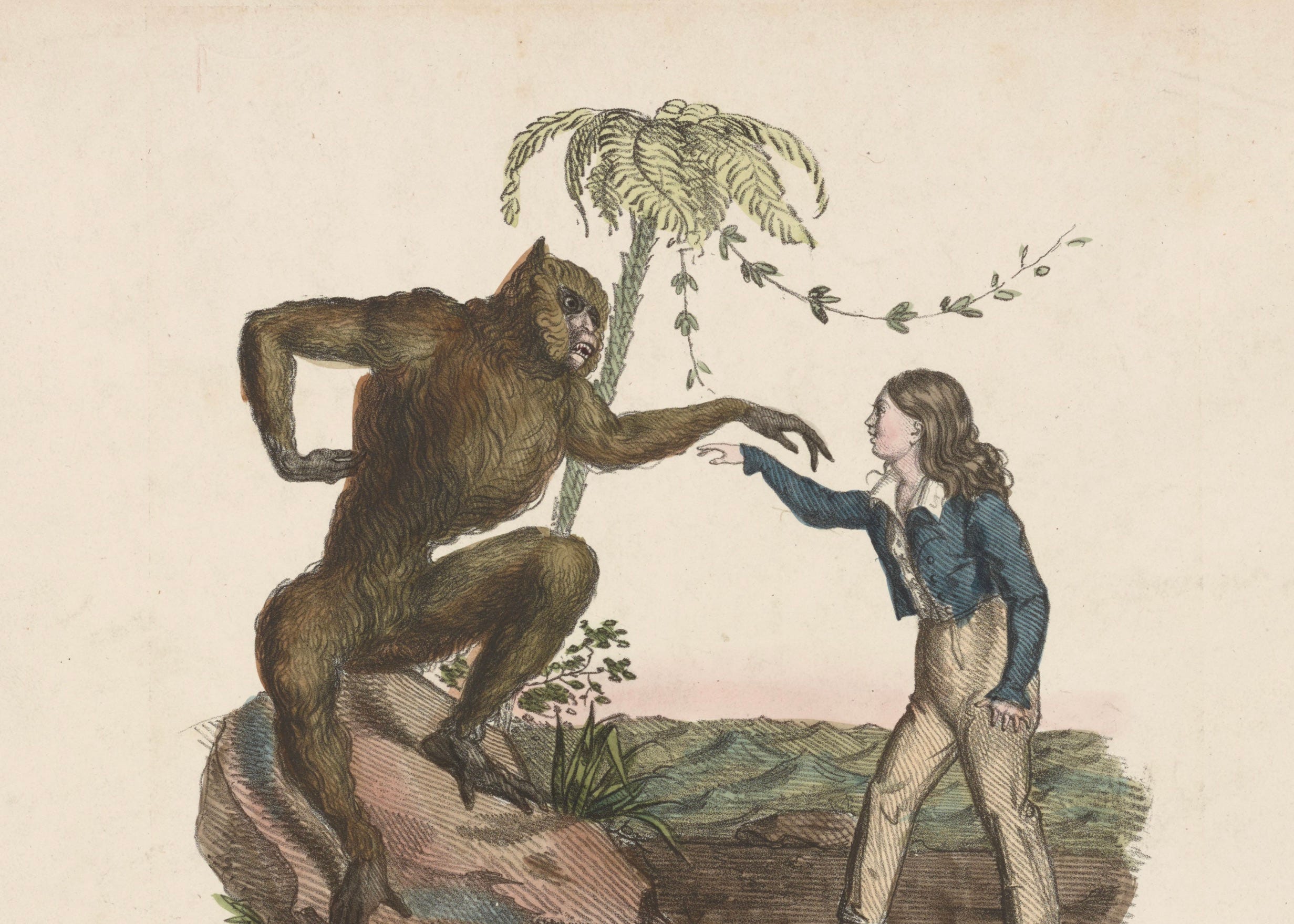
Sanity is madness put to good uses; waking life is a dream controlled.
—George Santayana, 1920
From a man’s face, I can read his character. If I can see him walk, I know his thoughts.
—Gaius Petronius Arbiter, c. 60
Imagination continually outruns the creature it inhabits.
—Katherine Anne Porter, 1949
A god takes away the minds of poets and uses them as his ministers just as he uses diviners and holy prophets—in order that we who hear them know that they who utter these priceless words in a state of unconsciousness are speaking not of themselves but that the god himself is the speaker, and that through them he is conversing with us.
—Plato, c. 400 BC
Genius is conscious of itself, appreciates itself, and certainly has no monkish humility.
—Cesare Lombroso, 1891
The first in time and the first in importance of the influences upon the mind is that of nature. Every day, the sun; and after sunset, night and her stars.
—Ralph Waldo Emerson, 1837
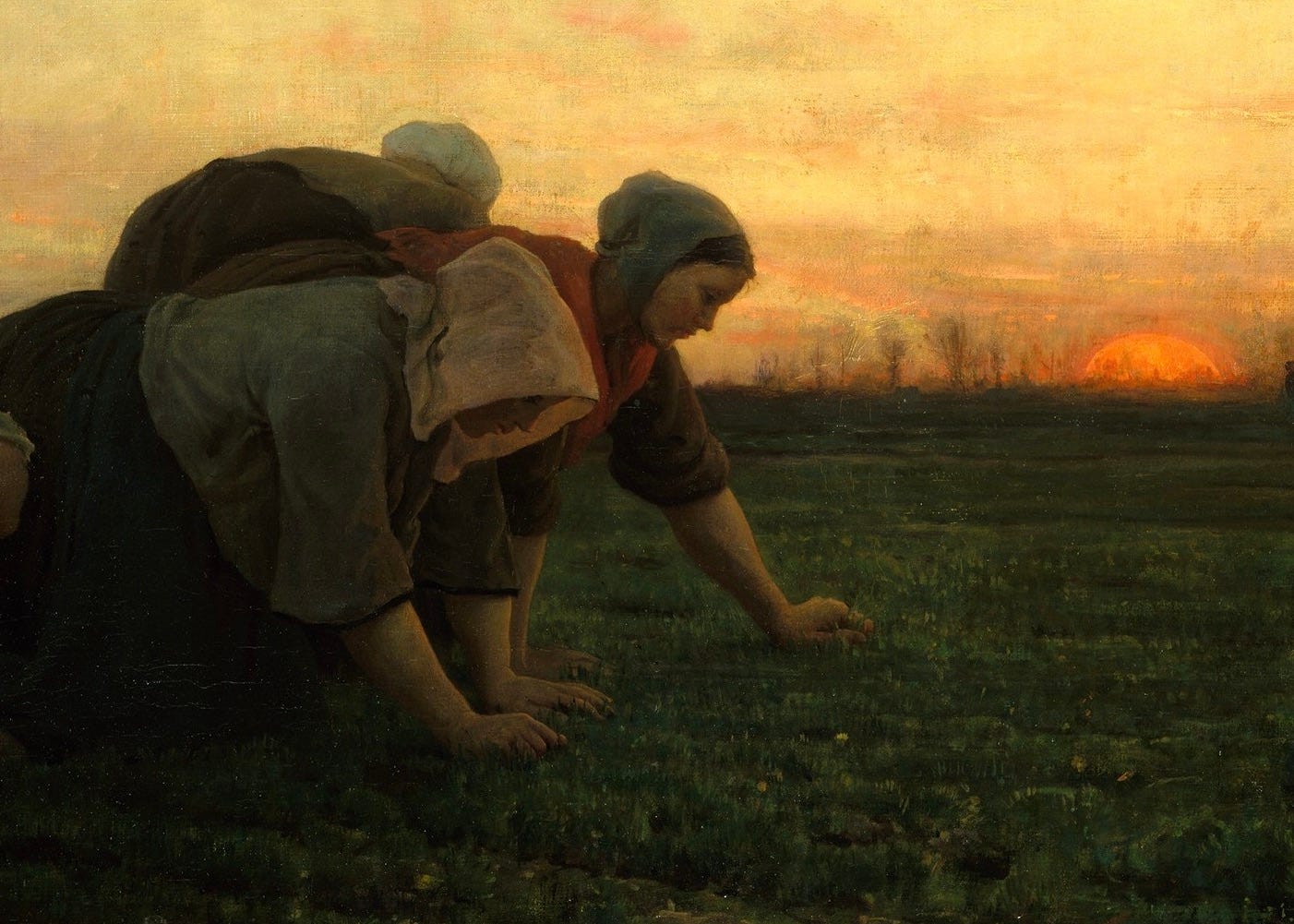
The real question is not whether machines think but whether men do.
—B.F. Skinner, 1969
And so it is that very often the memory appears to attempt, as it were, to make its escape from us even while the body is at rest and in perfect health. When sleep, too, comes over us, it is cut off altogether, so much so that the mind, in its vacancy, is at a loss to know where we are.
—Pliny the Elder, c. 77
It is man’s social being that determines his thinking. Once the correct ideas characteristic of the advanced class are grasped by the masses, these ideas turn into a material force that changes society and changes the world.
—Mao Zedong, 1963
What is large to us is small to an elephant; what is small may be a whole world to an insect.
—Voltaire, 1764
It has been said that the great events of the world take place in the brain. It is in the brain, and the brain only, that the great sins of the world take place also.
—Oscar Wilde, 1890
You who believe yourselves overwhelmed with anxieties but are able every day to walk up Regent Street, or out in the country, to take your meals with others in other rooms, etc., you little know how much your anxieties are thereby lightened.
—Florence Nightingale, 1859
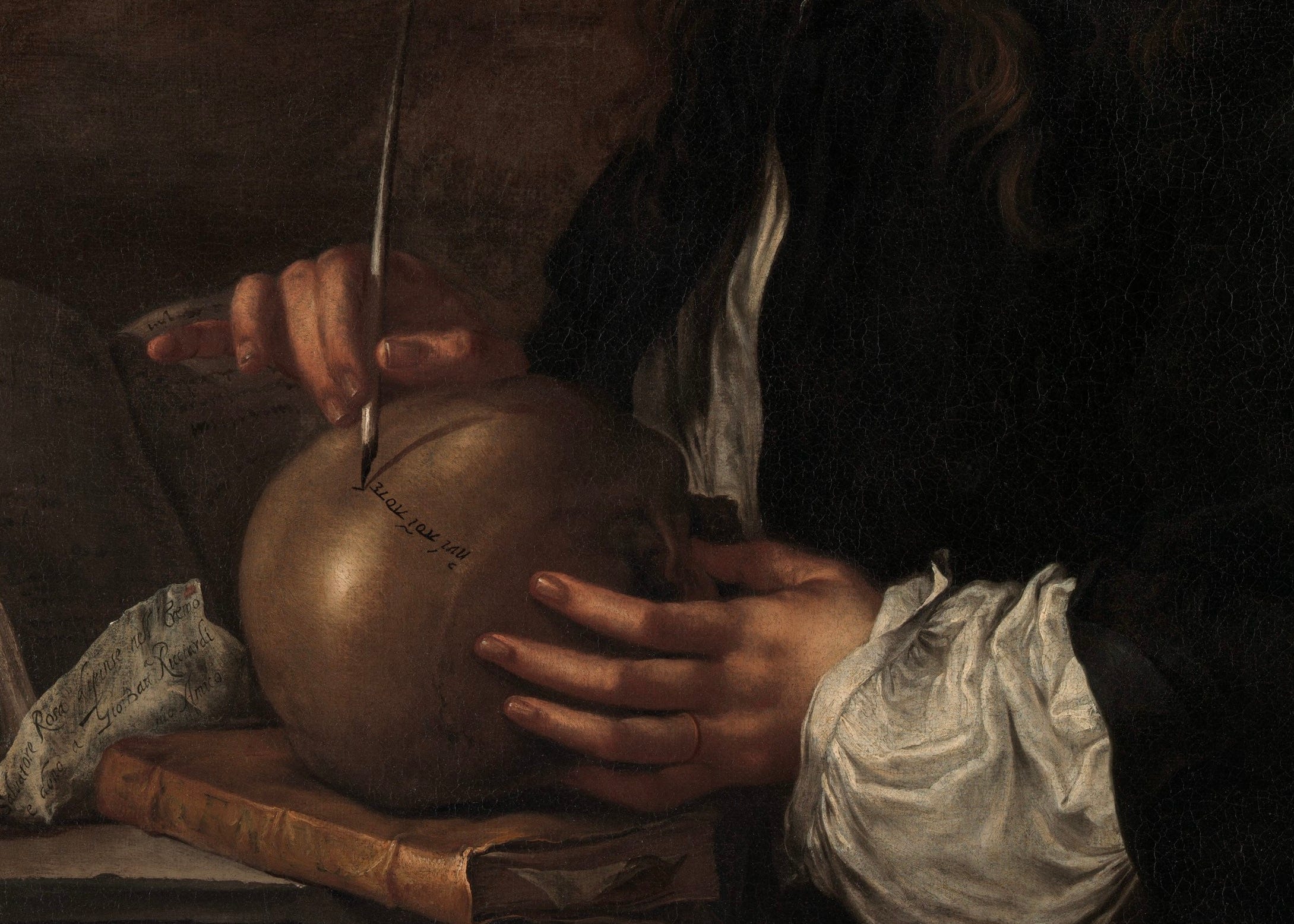
I would rather feel your spine than your skull, whoever you are. A thin joist of a spine never yet upheld a full and noble soul.
—Herman Melville, c. 1843
A bunch of scent, sounds, colors tied up fast
With threads of motion, and strong nerves
 to last,
Stew’d with long time in memory close shut,
Spirits instead of wine into it put,
And then pour’d forth into a dish of touch,
’Tis good and wholesome meat, although
  not much.

—Margaret Cavendish, 1653
The mind is a kind of theater, where several perceptions successively make their appearance, pass, repass, glide away, and mingle in an infinite variety of postures and situations.
—David Hume, 1739
We know a few things which were once hidden, and being known, they seem easy; but there are the flashings of the northern lights—“Across the lift they start and shift”; there is the conical zodiacal beam seen so beautifully in the early evenings of spring and the early mornings of autumn; there are the startling comets, whose use is all unknown; there are the brightening and flickering variable stars, whose cause is all unknown; and the meteoric showers—and for all of these, the reasons are as clear as for the succession of day and night; they lie just beyond the daily mist of our minds, but our eyes have not yet pierced through it.
—Maria Mitchell, 1854
Imagination is the secret and marrow of civilization. It is the very eye of faith.
—Henry Ward Beecher, 1887
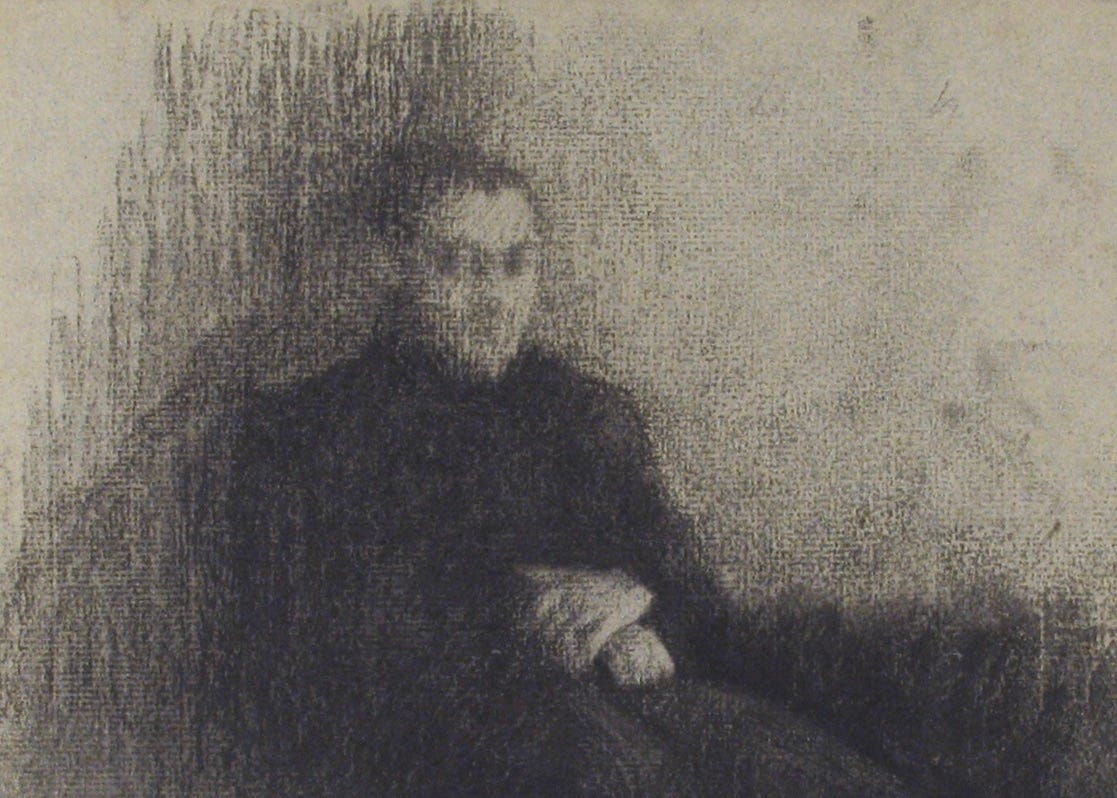
Imagination relegates into nothingness beings that exist; it causes to proceed from nothing beings that do not exist, which cannot exist. How, at a time when we have no idea of anything similar, can we represent objects that it is impossible for us even to name?
—Synesius, c. 405
In psychoanalysis nothing is true except the exaggerations.
—Theodor Adorno, 1951
But there is this difference twixt the imagination and light, that there be some places whereinto light cannot enter, but there is no part of the universe so impervious where the imagination may not make his accesses and recesses at pleasure.
—James Howell, 1649
It is far, far better and much safer to have a firm anchor in nonsense than to put out on the troubled seas of thought.
—John Kenneth Galbraith, 1958
Madness need not be all breakdown. It may also be breakthrough.
—R.D. Laing, 1967
Incapable of more, replete with you,
My most true mind thus maketh mine eye untrue.

—William Shakespeare, 1609
To be too conscious is an illness—a real thoroughgoing illness.
—Fyodor Dostoevsky, 1864
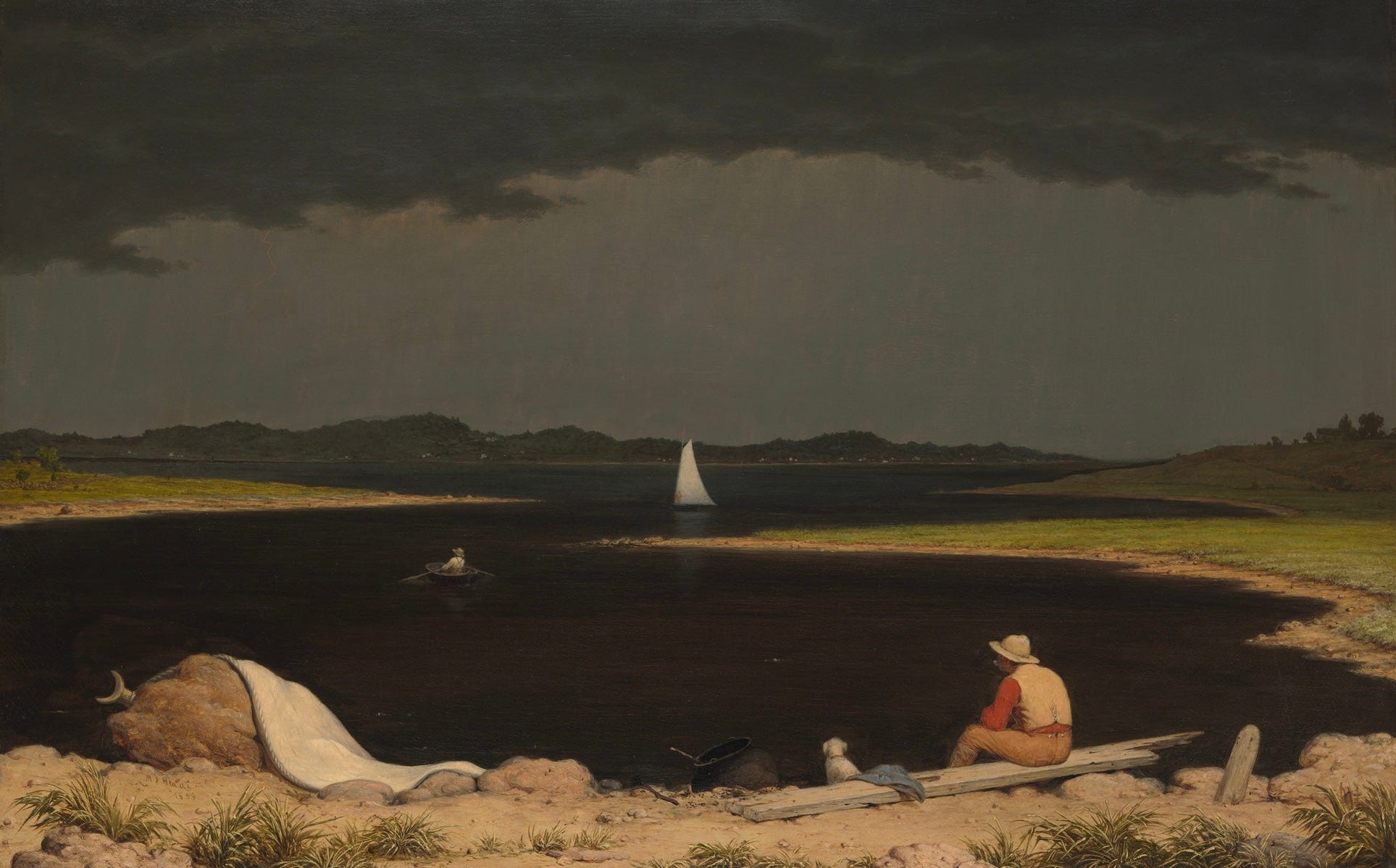
From the moment that they form part of a crowd, the learned man and the ignoramus are equally incapable of observation.
—Gustave Le Bon, 1895
The brain may be regarded as a kind of parasite of the organism, a pensioner, as it were, who dwells with the body.
—Arthur Schopenhauer, 1851
The passions not only fix the attention on particular sides of the objects they present to us, they also deceive us by exhibiting the same objects when they do not really exist.
—Claude-Adrien Helvétius, 1758
He will have no leisure to regret yesterday’s vexations who resolves not to have a new subject of regret tomorrow.
—Samuel Johnson, 1759
What else than a natural and mighty palimpsest is the human brain? Such a palimpsest is my brain; such a palimpsest, oh reader, is yours.
—Thomas De Quincey, 1845
Lapham’s Quarterly is a project of the American Agora Foundation, which is dedicated to fostering an appreciation of, and acquaintance with, the uses and value of history. Please help us continue our work. Donate today.
STATES OF MIND
Winter 2018