

Extracts
On the Rule of Law

Selected from the Spring 2018 issue of Lapham’s Quarterly.
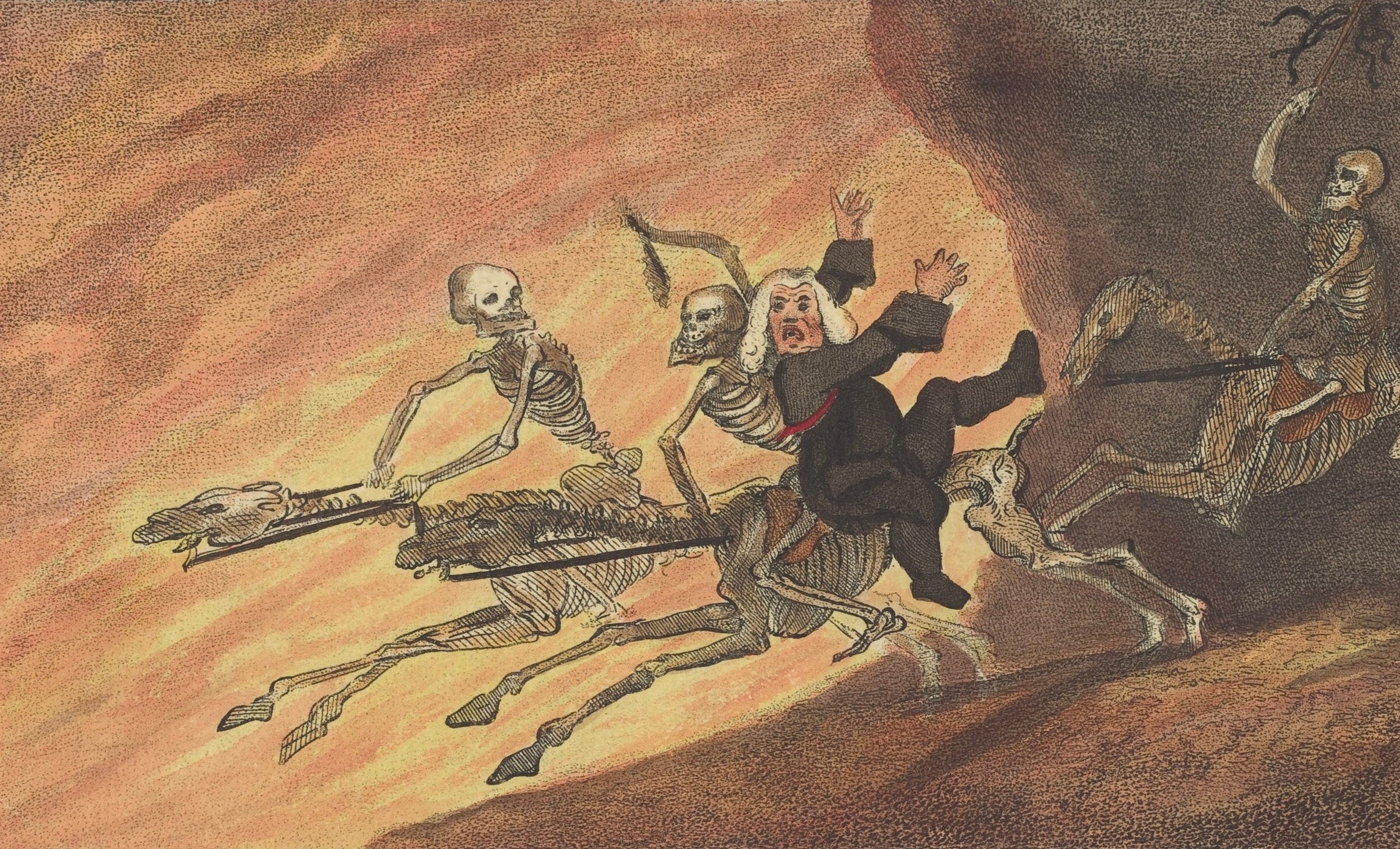
The law is established from above but becomes custom below.
—Su Zhe, c. 1100
Your throne will never be firmly established except on the trust and affection of the common people.
—Napoleon Bonaparte, 1807
Blood can be wiped out only with blood. A blow also demands blood, so do insulting words. One of the worst insults is the marrying of a girl betrothed to one man to another. Nothing but blood can cleanse it.
—M. Edith Durham, 1909
While men thus respect law, it becomes a serious matter so to interpret the law as to make it operate against liberty.
—Frederick Douglass, 1857
The American earth groans under the weight of legal bureaucracy, the body politic so judiciously enwrapped and embalmed in rules, regulations, requirements, codes, and commandments that it bears comparison to the glorified mummy of a once upon a time great king in Egypt.
—Lewis H. Lapham, 2018

The rational study of law is still to a large extent the study of history.
—Oliver Wendell Holmes Jr., 1897
Laws, like houses, lean on one another.
—Edmund Burke, 1765
In Peter the devil is called “your adversary.” ’Tis a law term, and it notes “an adversary at law.” The devil cannot come at us except in some sense according to law.
—Cotton Mather, 1693
The state is the altar of political freedom, and like the religious altar, it is maintained for the purpose of human sacrifice.
—Emma Goldman, 1910
A miracle is a violation of the laws of nature; and as a firm and unalterable experience has established these laws, the proof against a miracle, from the very nature of the fact, is as entire as any argument from experience can possibly be imagined.
—David Hume, 1748
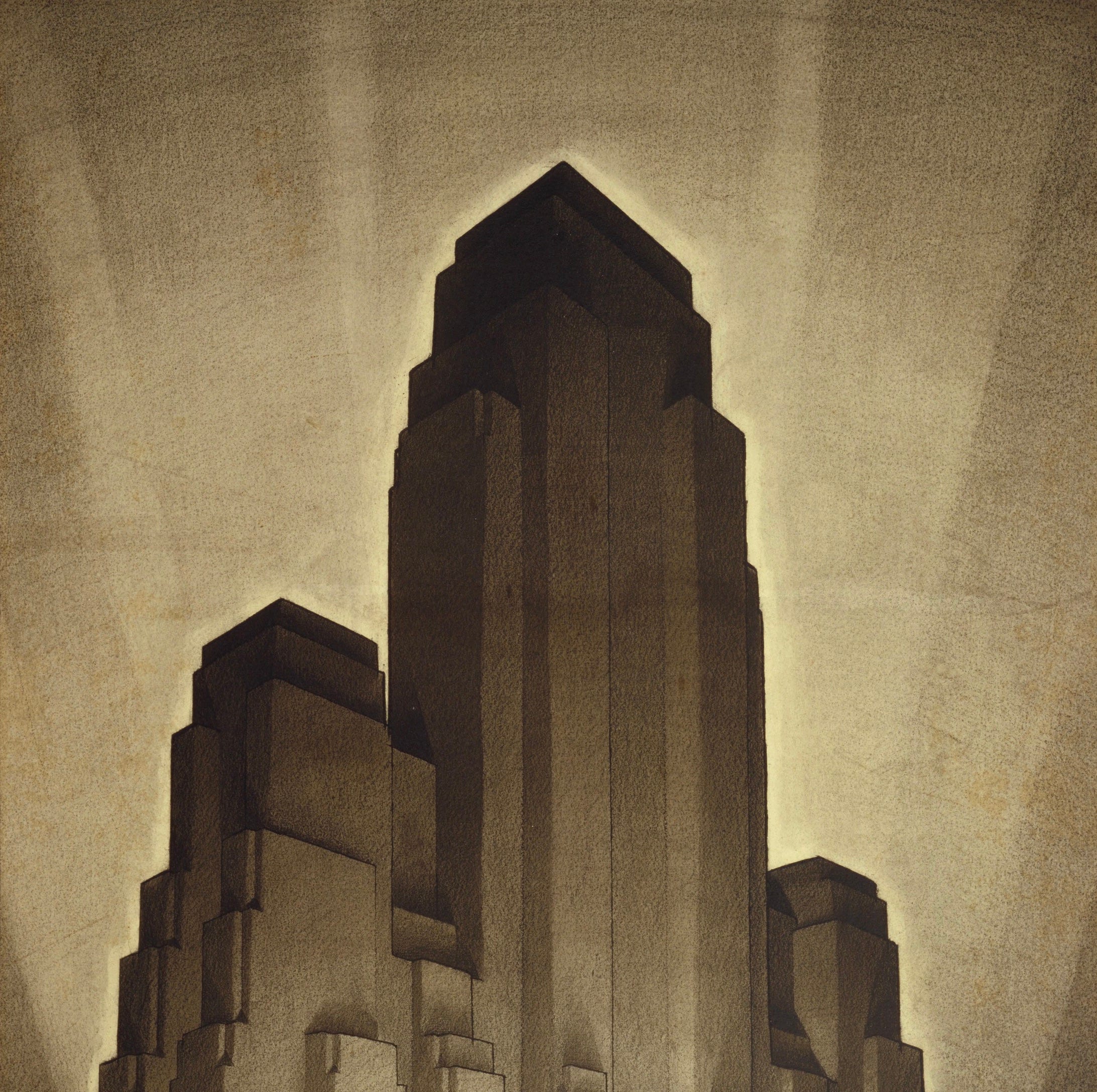
The natural sanction of the natural law against murder is the impossibility of bringing the dead to life.
—Edith Simcox, 1878
We are to go to law never to revenge, but only to repair.
—Samuel Pepys, 1661
What Rome or Babylon ever equaled Paris, polluted with debauchery and blood, and governed by magistrates who profess to trade in falsehood and calumny, and to license assassination?
—Madame Roland, 1793
Try me, good king; but let me have a lawful trial, and let not my sworn enemies sit as my accusers and as my judges.
—Anne Boleyn, 1536
If it be true that the Cherokee Nation have rights, this is not the tribunal in which those rights are to be asserted. If it be true that wrongs have been inflicted and that still greater are to be apprehended, this is not the tribunal which can redress the past or prevent the future.
—John Marshall, 1831
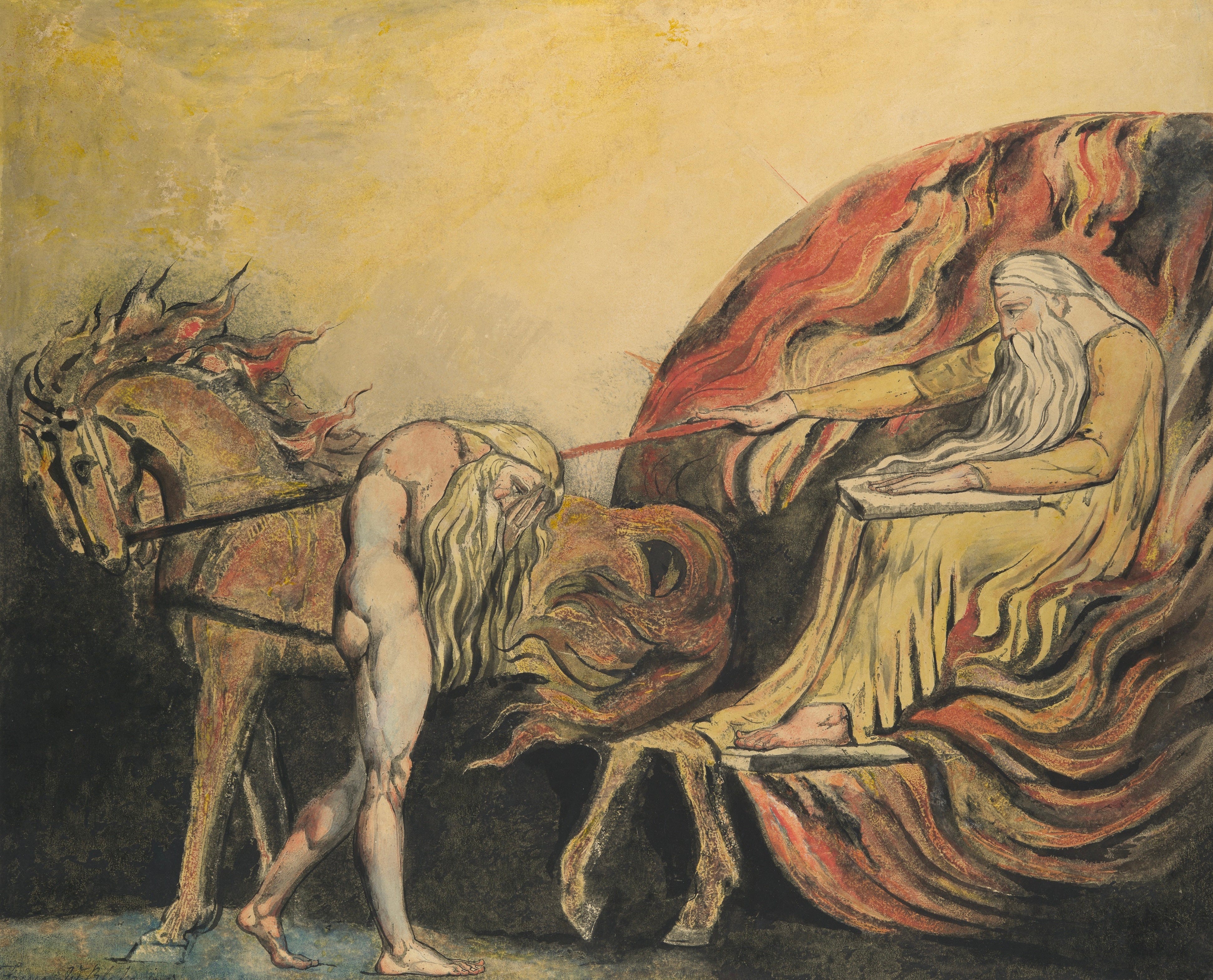
The law’s made to take care o’ raskills.
—George Eliot, 1860
If an oppressed nation has a right to appeal to arms in defense of its liberty and the happiness of its people, there can be no argument used in support of such appeal which will not apply with equal force to individuals.
—John Lyde Wilson, 1838
Necessity knows no law except to conquer.
—Publilius Syrus, c. 50 BC
Everyone must admit that if a law is to have moral force, i.e., to be the basis of an obligation, it must carry with it absolute necessity.
—Immanuel Kant, 1785
In the state of nature, there wants a known and indifferent judge with authority.
—John Locke, c. 1683
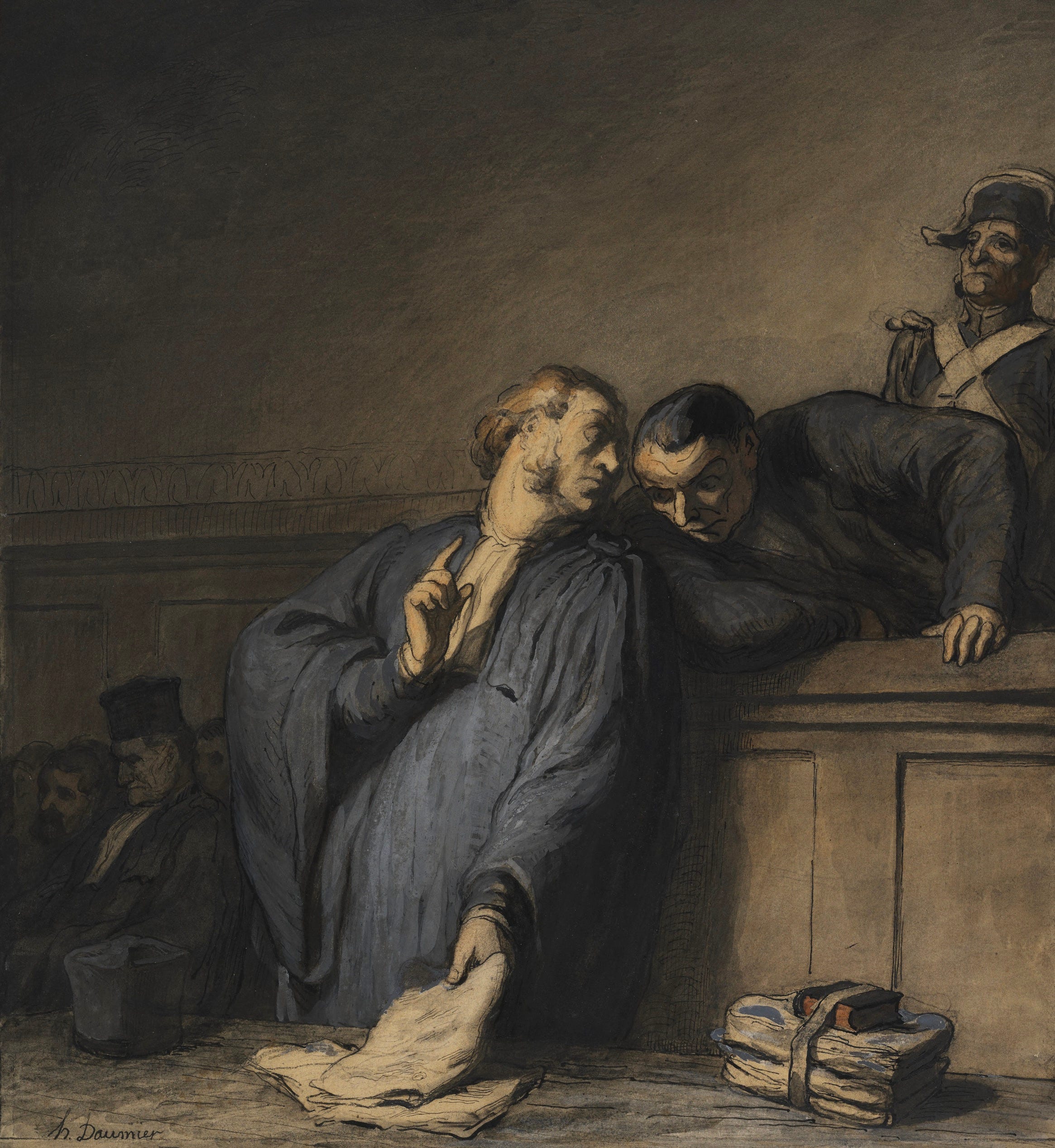
Good men must not obey the laws too well.
—Ralph Waldo Emerson, 1844
Do what thou wilt shall be the whole of the law.
—Aleister Crowley, 1904
Let every American, every lover of liberty, every well-wisher to his posterity, swear by the blood of the revolution never to violate in the least particular the laws of the country, and never to tolerate their violation by others.
—Abraham Lincoln, 1838
A monarchy is destroyed when a sovereign imagines that he displays his power more by changing the order of things than by adhering to it.
—Catherine the Great, 1767
All things are to be governed by equity. And so divines ought to preach, that they neither bind nor loose men.
—Martin Luther, 1546
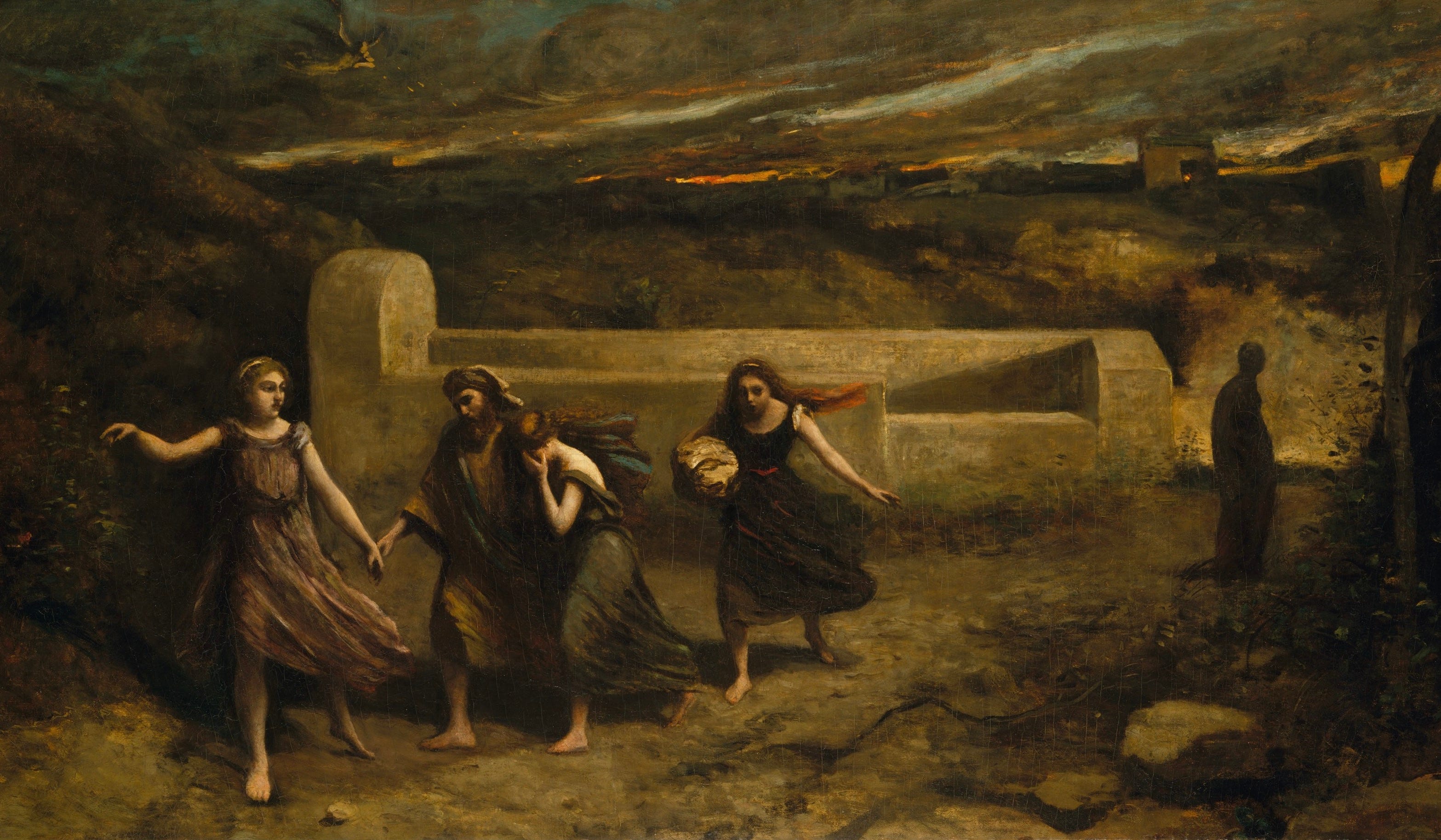
To make laws that man cannot and will not obey serves to bring all law into contempt.
—Elizabeth Cady Stanton, 1860
If we do not maintain justice, justice will not maintain us.
—Francis Bacon, 1615
However harmless a thing is, if the law forbids it, most people will think it wrong.
—W. Somerset Maugham, 1896
Lapham’s Quarterly is a project of the American Agora Foundation, which is dedicated to fostering an appreciation of, and acquaintance with, the uses and value of history. Please help us continue our work. Donate today.
RULE OF LAW
Spring 2018
This collection is incredibly powerful. Bacon's 1615 warning about maintaining justice feels especially sharp today, when so many democratic institutions seem fragile. I've been thnking alot lately about how Burke's idea that laws lean on each other plays out in modern legal systems where one precedent falling can create cascading failures. The contrast between Emma Goldman's bleak view of the state as a place of human sacrifice versus Lincoln's idealistic call to honor law perfectly captures the tension we still live with.