

Extracts
On Ways of Learning

Selected from the Fall 2008 issue of Lapham’s Quarterly.

What harm is there in getting knowledge and learning, were it from a sot, a pot, a fool, a winter mitten, or an old slipper?
—François Rabelais, 1533
The great difficulty in education is to get experience out of ideas.
—George Santayana, 1905
A whale ship was my Yale College and my Harvard.
—Herman Melville, 1851
If the heavens were all parchment, and the trees of the forest all pens, and every human being were a scribe, it would still be impossible to record all that I have learned from my teachers.
—Jochanan ben Zakkai, c. 75
Great men have their best education, good institution, sole qualification from us, and when they have done well, their honour and immortality from us: we are the living tombs, registers, and so many trumpeters of their fames. What was Achilles without Homer?
—Robert Burton, 1621
As the seer’s hour of vision is short and rare among heavy days and months, so is its record, perchance, the least part of his volume.
—Ralph Waldo Emerson, 1837
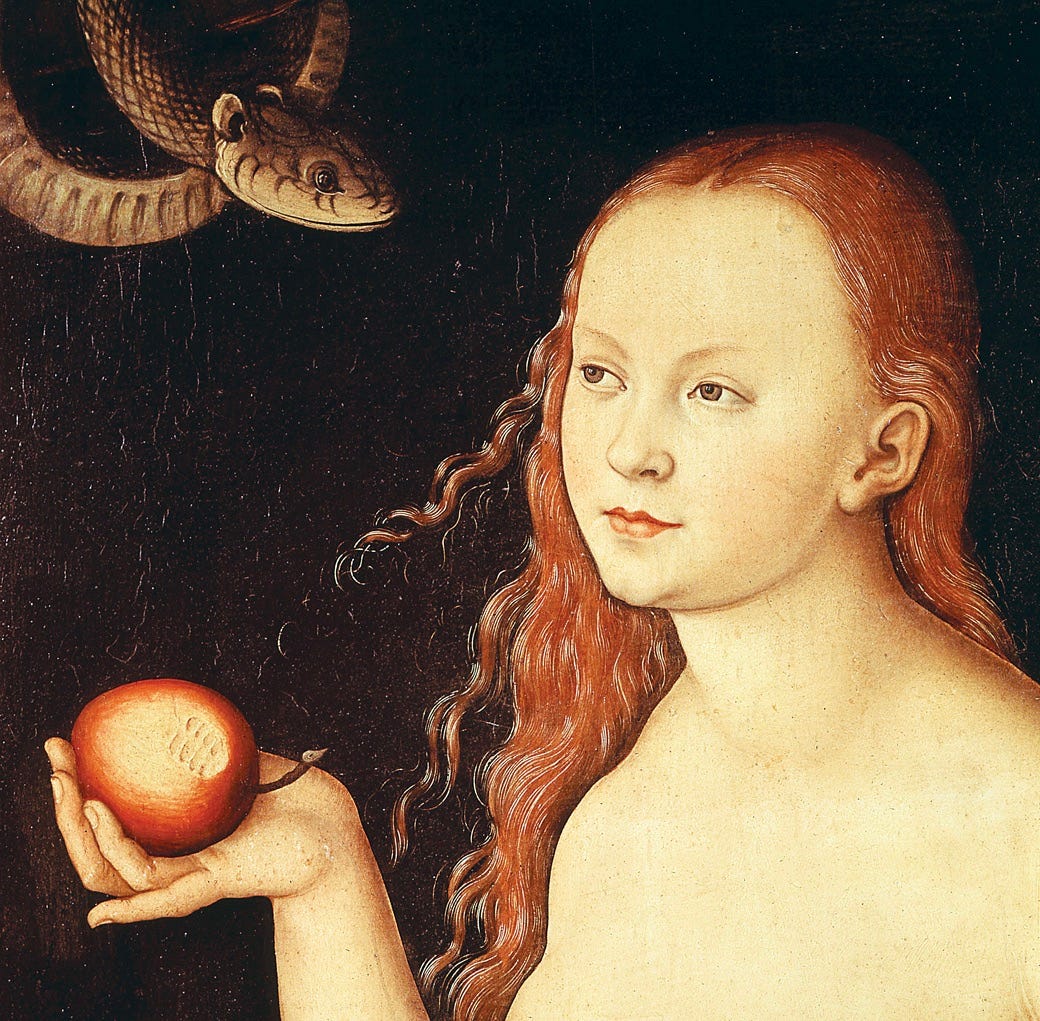
The desire of knowledge, like the thirst of riches, increases ever with the acquisition of it.
—Laurence Sterne, 1760
Rewards and punishment are the lowest form of education.
—Zhuangzi, c. 286 BC
That which is evil is soon learned.
—John Ray, 1670
The ceaseless, senseless demand for original scholarship in a number of fields, where only erudition is now possible, has led either to sheer irrelevancy, the famous knowing of more and more about less and less, or to the development of a pseudo-scholarship which actually destroys its object.
—Hannah Arendt, 1972
A fool’s brain digests philosophy into folly, science into superstition, and art into pedantry. Hence university education.
—George Bernard Shaw, 1903
Spoon feeding in the long run teaches us nothing but the shape of the spoon.
—E.M. Forster, 1951
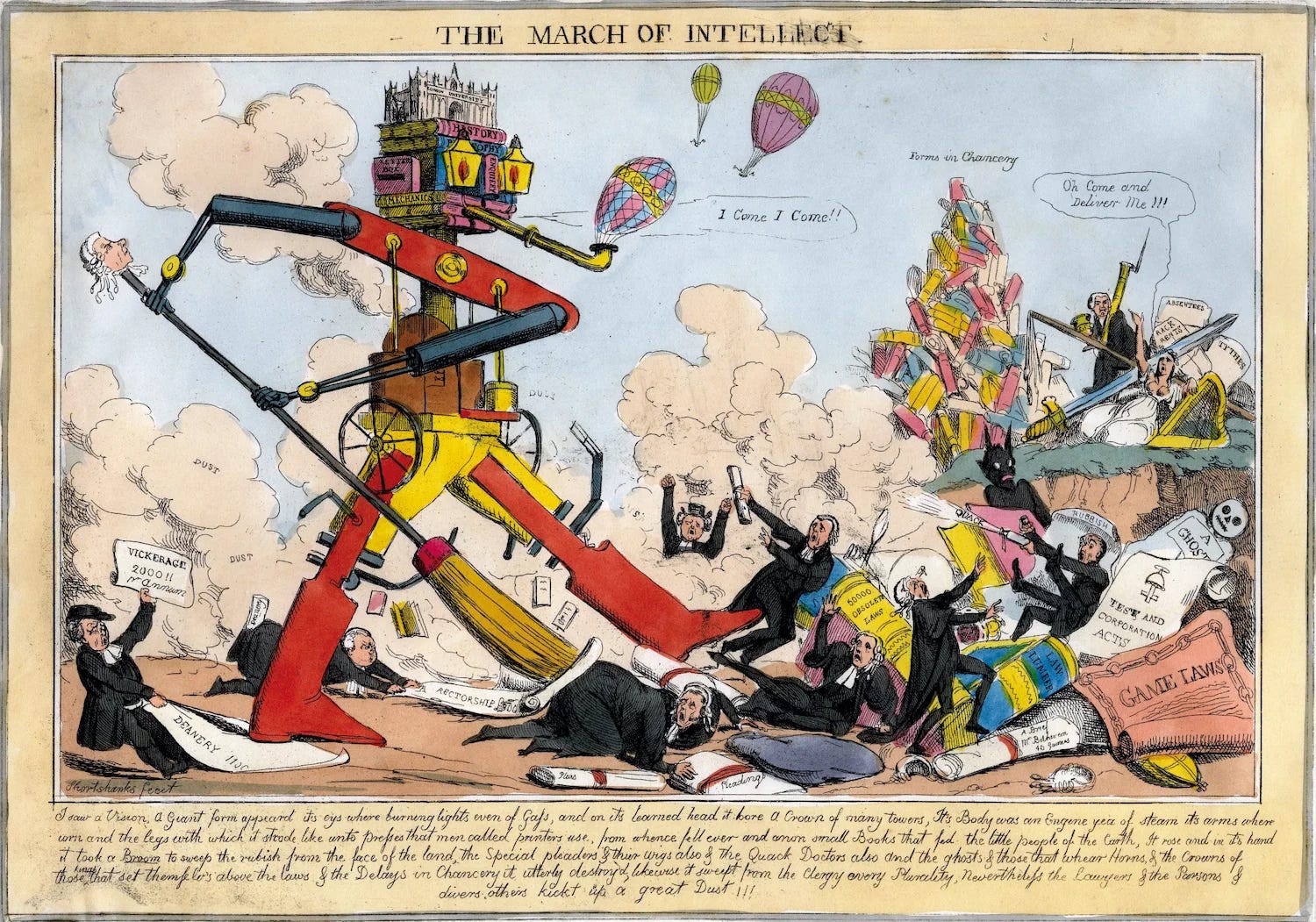
Anyone who has passed through the regular gradations of a classical education, and is not made a fool by it, may consider himself as having had a very narrow escape.
—William Hazlitt, 1821
Real education must ultimately be limited to men who insist on knowing—the rest is mere sheep herding.
—Ezra Pound, 1934
Give us the child for eight years and it will be a Bolshevist forever.
—Vladimir Lenin, 1923
Education is a weapon whose effects depend on who holds it in his hands and at whom it is aimed.
—Joseph Stalin, 1934
The Romans would never have found time to conquer the world if they had been obliged first to learn Latin.
—Heinrich Heine, 1827
In the first place God made idiots. This was for practice. Then he made school boards.
—Mark Twain, 1897

In large states public education will always be mediocre, for the same reason that in large kitchens the cooking is usually bad.
—Friedrich Nietzsche, 1878
It is a greater advantage to be honestly educated than honorably born.
—Erasmus, 1518
Anyone who has a child should train him to be either a physicist or a ballet dancer. Then he’ll escape.
—W.H. Auden, 1947
Education generates habits of application, of order, and the love of virtue, and controls, by the force of habit, any innate obliquities in our moral organization. We should be far too from the discouraging persuasion that man is fixed by the law of his nature at a given point—that his improvement is a chimera, and the hope delusive of rendering ourselves wiser, happier, or better than our forefathers were.
—Thomas Jefferson, 1818
If we mean to have heroes, statesmen, and philosophers, we should have learned women.
—Abigail Adams, 1776
Knowledge is an ancient error reflecting on its youth.
—Francis Picabia, 1949

What is most of our boasted so-called knowledge but a conceit that we know something, which robs us of the advantage of our actual ignorance?
—Henry David Thoreau, 1851
Human history becomes more and more a race between education and catastrophe.
—H.G. Wells, 1920
All that we know is nothing can be known.
—Lord Byron, 1812
I wonder whether if I had an education I should have been more or less a fool than I am.
—Alice James, 1889
Lapham’s Quarterly is a project of the American Agora Foundation, which is dedicated to fostering an appreciation of, and acquaintance with, the uses and value of history. Please help us continue our work. Donate today.
WAYS OF LEARNING
Fall 2008