

Extracts
On Philanthropy

Selected from the Summer 2015 issue of Lapham’s Quarterly.
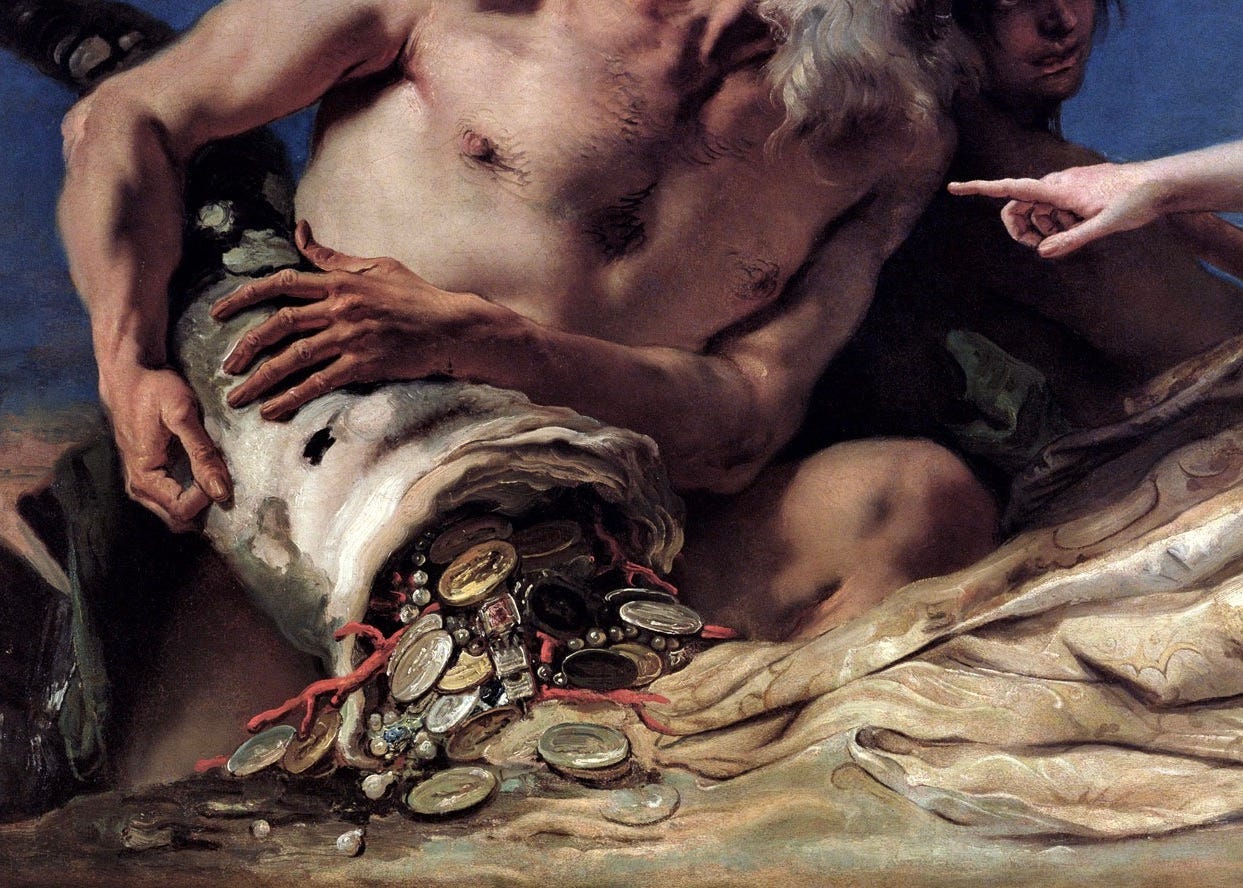
It is more blessed to give than to receive.
—Acts of the Apostles, c. 80
Every gift has a personality—that of its giver.
—Nuruddin Farah, 1992
The expenditure of money is better justified when it is made for walls, docks, harbors, aqueducts, and all those works that are of service to the community. There is, to be sure, more of present satisfaction in what is handed out, like cash down; nevertheless public improvements win us greater gratitude with posterity.
—Cicero, 44 BC
Woman is responsible in proportion to the wealth and time at her command. While one woman is working for bread and butter, the other must devote her time to the amelioration of the condition of her laboring sister. This is the moral law.
—Margaret Olivia Sage, 1905
Verily I say to you, that a rich man shall hardly enter into the kingdom of heaven. And again I say to you, it is easier for a camel to go through the eye of a needle, than for a rich man to enter into the kingdom of God.
—The Gospel According to Matthew, c. 30
Is not a patron, my lord, one who looks with unconcern on a man struggling for life in the water and, when he has reached ground, encumbers him with help?
—Samuel Johnson, 1755
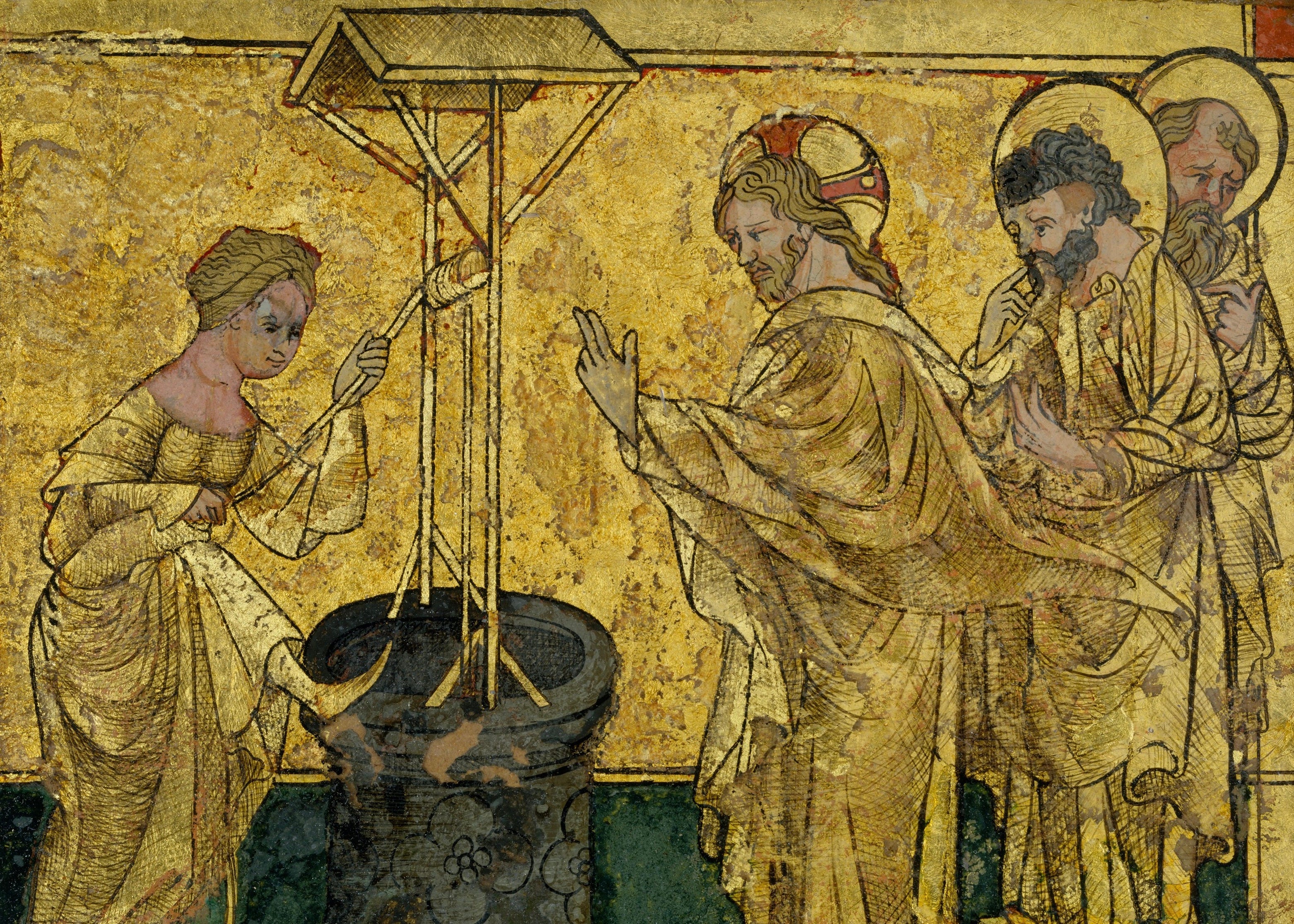
I tell thee, thou foolish philanthropist, that I grudge the dollar, the dime, the cent I give to such men as do not belong to me and to whom I do not belong.
—Ralph Waldo Emerson, 1841
He has gotten together a band of disinherited prodigals, outlawed debtors, excommunicated heretics, elder sons that have spent all they had, and younger sons that never had anything to spend; and with these he kills the king’s deer, and plunders wealthy travelers of five-sixths of their money; but if they be abbots or bishops, them he despoils utterly.
—Thomas Love Peacock, c. 1150
It is a beautiful sight to see our children eat in the mornings after remembering the times when our stomachs were not full.
—The Black Panther Black Community News Service, 1969
Though you have had and may have many princes more mighty and wise sitting in this seat, yet you never had nor shall have any that will be more careful and loving.
—Elizabeth I, 1601
So against my will, I picked up the thread again, and set to work, the duke heaping every imaginable favor upon me.
—Benvenuto Cellini, 1545
Those who would administer wisely must indeed be wise; for one of the serious obstacles to the improvement of our race is indiscriminate charity.
—Andrew Carnegie, 1889
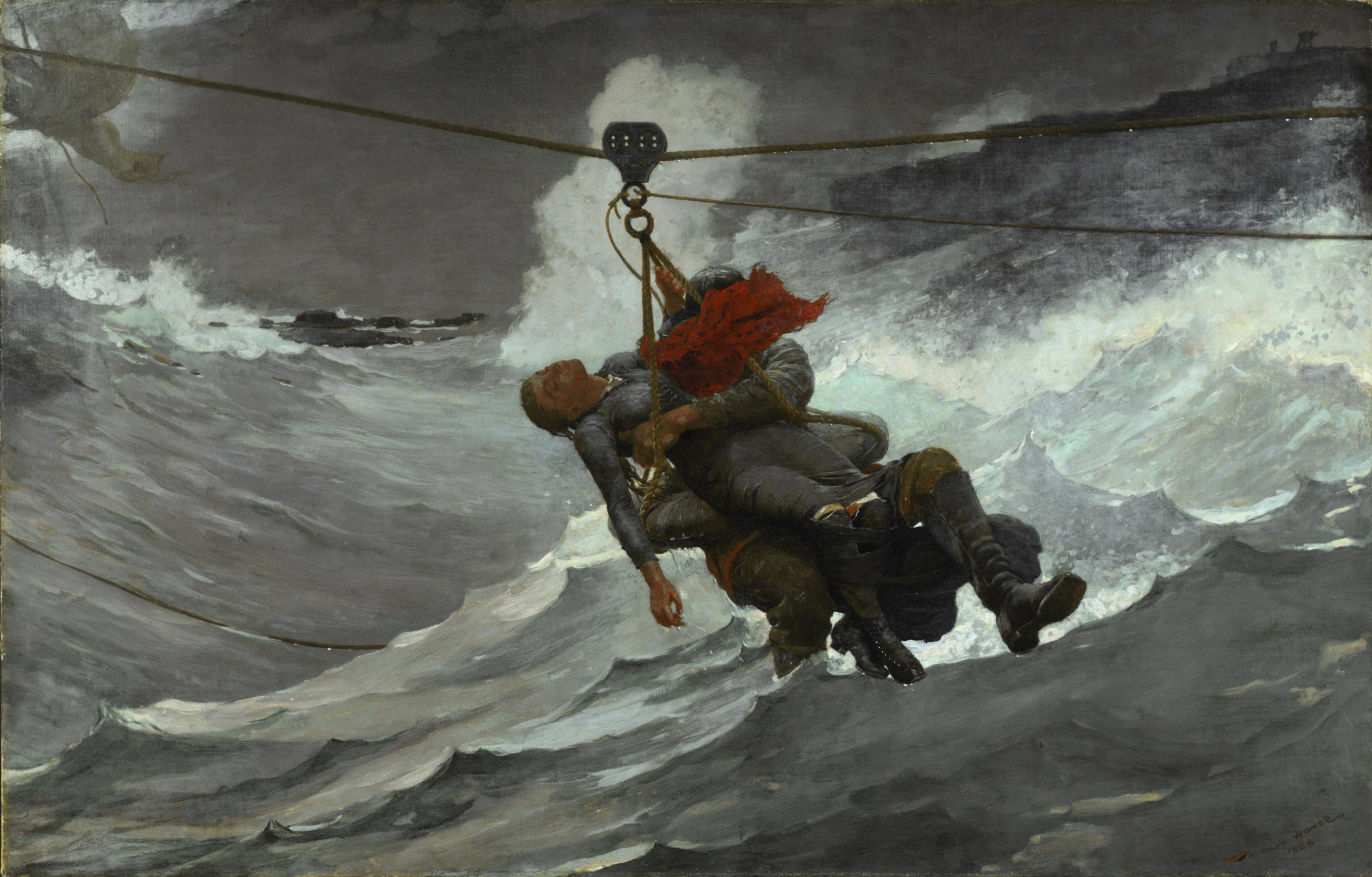
They say that gifts persuade even the gods.
—Euripides, 431 BC
For although the poor and the rich are blended together in the world, yet, as their respective conditions are assigned to them by divine appointment, he suggests that God, who enlightens all, is not blind, and thus exhorts the poor to patience, because those who are discontented with their lot, are endeavoring to shake off the burden imposed on them by God.
—John Calvin, 1536
When heaven establishes a prince, it is for the sake of the people.
—The Nihongi, 316
The magnificent man is like an artist; for he can see what is fitting and spend large sums tastefully.
—Aristotle, c. 330 BC
Do good by stealth, and blush to find it fame.
—Alexander Pope, 1738
But we Christians look upon ourselves as one body, informed as it were by one soul; and being thus incorporated by love, we can never dispute what we are to bestow upon our own members.
—Tertullian, c. 197
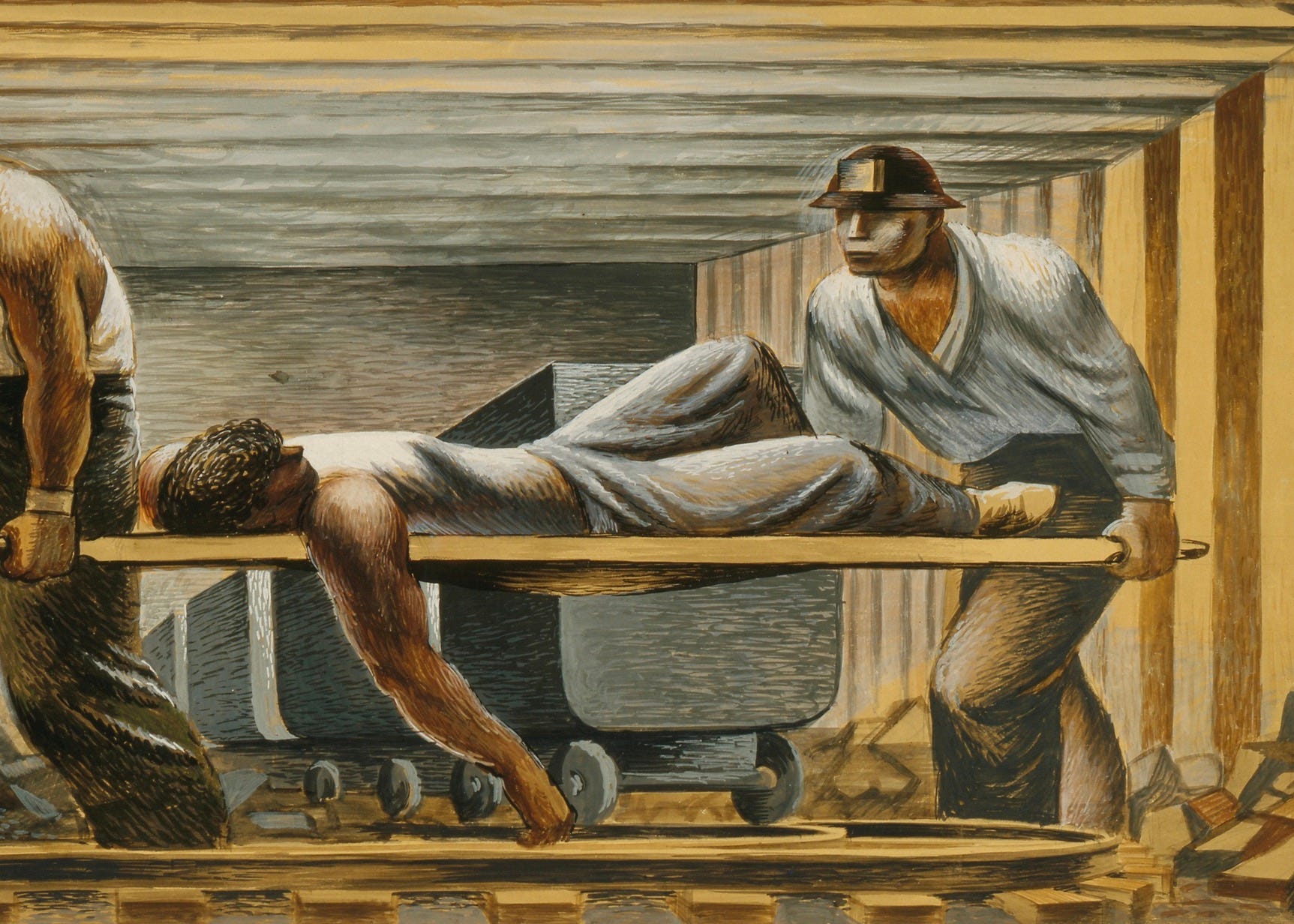
If it did not become him to receive this gift, it could not become you to give it.
—Seneca the Younger, c. 60
But mercy is above this sceptered sway.
It is enthroned in the hearts of kings,
It is an attribute to God himself,
And earthly power doth then show likest God’s
When mercy seasons justice.

—William Shakespeare, 1596
I know what I have given you. I do not know what you have received.
—Antonio Porchia, 1943
If you pick up a starving dog and make him prosperous, he will not bite you. This is the principal difference between a dog and a man.
—Mark Twain, 1894
Here and there is born a Saint Teresa, foundress of nothing, whose loving heartbeats and sobs after an unattained goodness tremble off and are dispersed among hindrances, instead of centering in some long-recognizable deed.
—George Eliot, c. 1870
No work of man is made for immortality; and since foundations, always multiplied by vanity, would in the long run, if uninterfered with, absorb all funds and all private properties, it would be absolutely necessary at last to destroy them.
—Anne-Robert-Jacques Turgot, 1757

The friend of all humanity is no friend to me.
—Molière, 1666
“Has Andrew Carnegie given you a library yet?” asked Mr. Dooley.
“Not that I know of,” said Mr. Hennessy.
“He will,” said Mr. Dooley. “You’ll not escape him. Before he dies he hopes to crowd a library on every man, woman, and child in the country."

—Finley Peter Dunne, 1906
If some men are remembered years and centuries after the death of the last of their contemporaries, it is not because of endowments they created.
—Julius Rosenwald, 1929
Without virtue, both riches and honor, to me, seem like the passing cloud.
—Confucius, c. 350 BC
The deed is everything, the glory naught.
—Goethe, 1832
Lapham’s Quarterly is a project of the American Agora Foundation, which is dedicated to fostering an appreciation of, and acquaintance with, the uses and value of history. Please help us continue our work. Donate today.
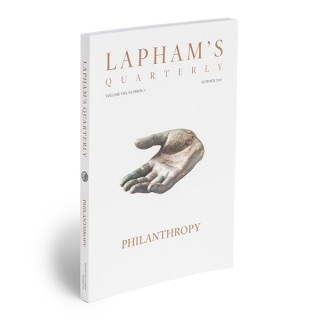
PHILANTHROPY
Summer 2015