

Extracts
On Foreigners

Selected from the Winter 2015 issue of Lapham’s Quarterly.
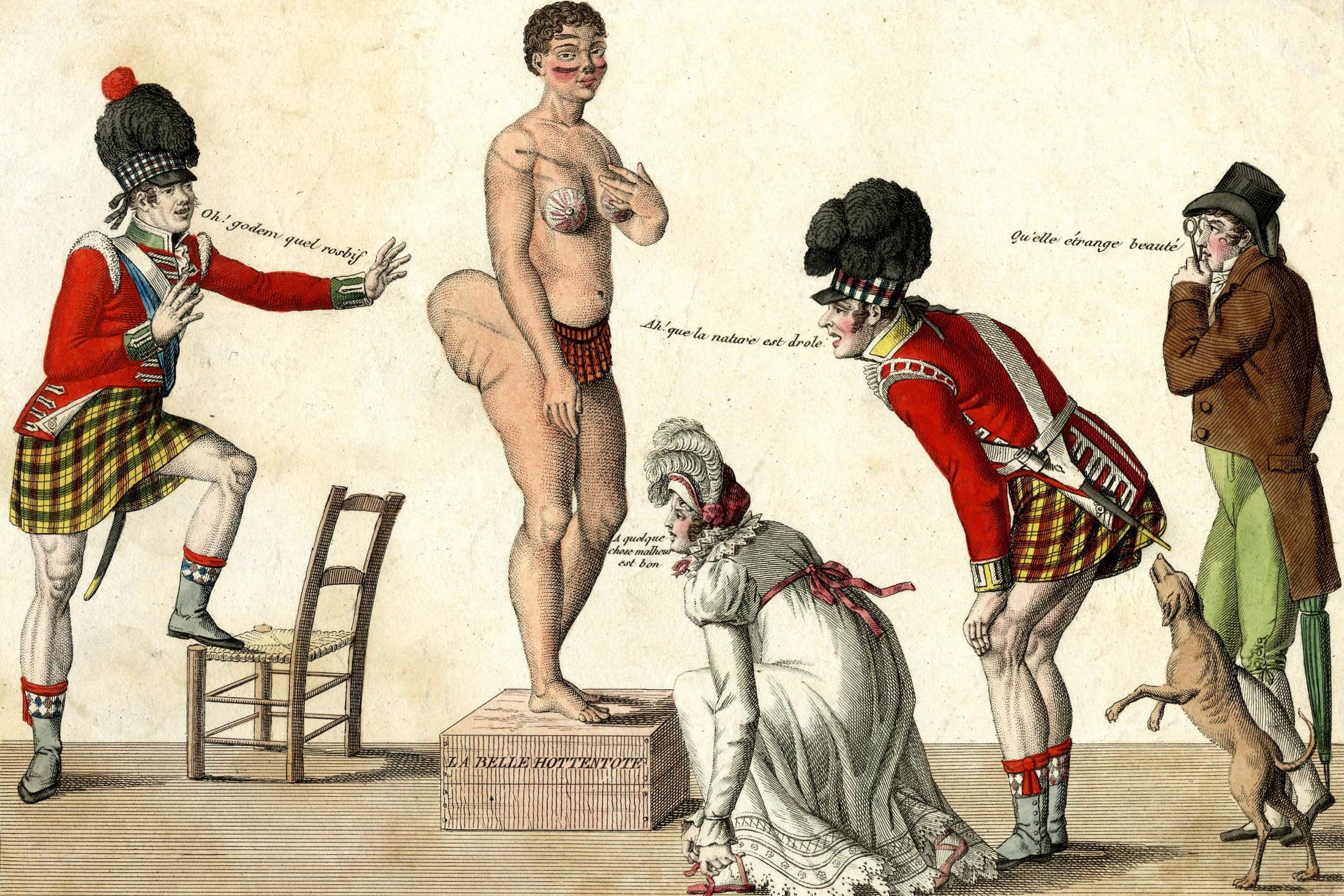
The first thing that struck her as very peculiar was that they looked like other people.
—Flannery O’Connor, 1954
“Which of these three, do you think, was a neighbor to the man who fell into the hands of the robbers?” He said, “The one who showed him mercy.” Jesus said to him, “Go and do likewise.”
—The Gospel According to Luke, c. 33
By the trial within my soul mastery had been won. Avidly I inhaled the splendid purity of the light. I was, indeed, a new man; from now on I was a true savage, a real Maori.
—Paul Gauguin, 1891
Caliban: You taught me language, and my profit on’t
Is, I know how to curse. The red plague rid you
For learning me your language!

—William Shakespeare, c. 1611
I felt not unlike a young blue heron just leaving the nest to partake of his first meal on an unsafe swinging branch. I was entirely uncertain of my perch.
—Charles Eastman, 1874
No Roman now, no Briton does remain;
Wales strove to separate, but strove in vain;
The silent nations undistinguished fall,
And Englishman’s the common name for all.
Fate jumbled them together, God knows how;
Whatever they were, they’re true-born English now.

—Daniel Defoe, 1701
And what is it, thought I, after all! It’s only his outside; a man can be honest in any sort of skin. But then, what to make of his unearthly complexion, that part of it, I mean, lying round about, and completely independent of the squares of tattooing.
—Herman Melville, c. 1840
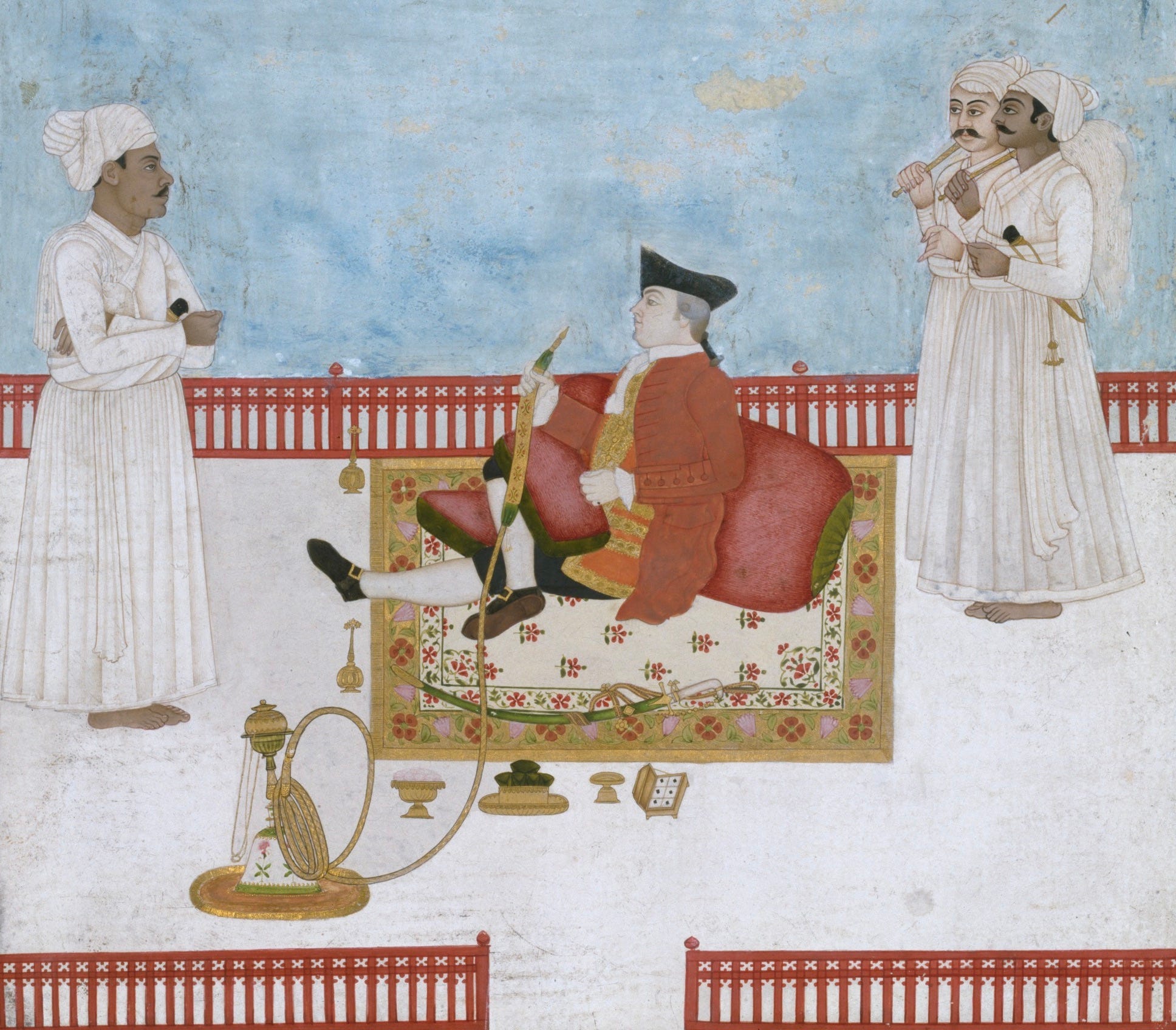
She leaned out the window and said with a grin, “Listen, boys! I hate to confuse you again. But, to tell the truth, my husband and I aren’t really colored at all. We’re white. We just thought we’d kid you by passing for colored a little while—just as you said Negroes sometimes pass for white.”
—Langston Hughes, c. 1930
There are chance meetings with strangers that interest us from the first moment, before a word is spoken.
—Fyodor Dostoevsky, 1866
In place of the old local and national seclusion and self-sufficiency, we have intercourse in every direction, universal interdependence of nations. And as in material, so also in intellectual production.
—Karl Marx & Friedrich Engels, 1848
He then looked at me as if his words might explain with final clarity this strange belief of theirs. I have to admit, dear Superior, that I’m still left confused.
—Joseph Boyden, c. 1640
Here individuals of all nations are melted into a new race of men, whose labors and posterity will one day cause great changes in the world. Americans are the Western pilgrims, who are carrying along with them that great mass of arts, sciences, vigor, and industry which began long since in the East; they will finish the great circle.
—J. Hector St. John de Crèvecoeur, 1782
The East is full of secrets—no one understands their value better than the Oriental; and because she is full of secrets she is full of entrancing surprises.
—Gertrude Bell, 1892
For everybody in China, whether a native or an Arab, or any other foreigner, is obliged to declare all he knows of himself, nor can he possibly be excused from doing so.
—Sulayman al-Tajir, c. 860
Take up the White Man’s burden—
    Ye dare not stoop to less—
Nor call too loud on freedom
    To cloke your weariness;
By all ye cry or whisper,
    By all ye leave or do,
The silent, sullen peoples
    Shall weigh your God and you.

—Rudyard Kipling, 1899
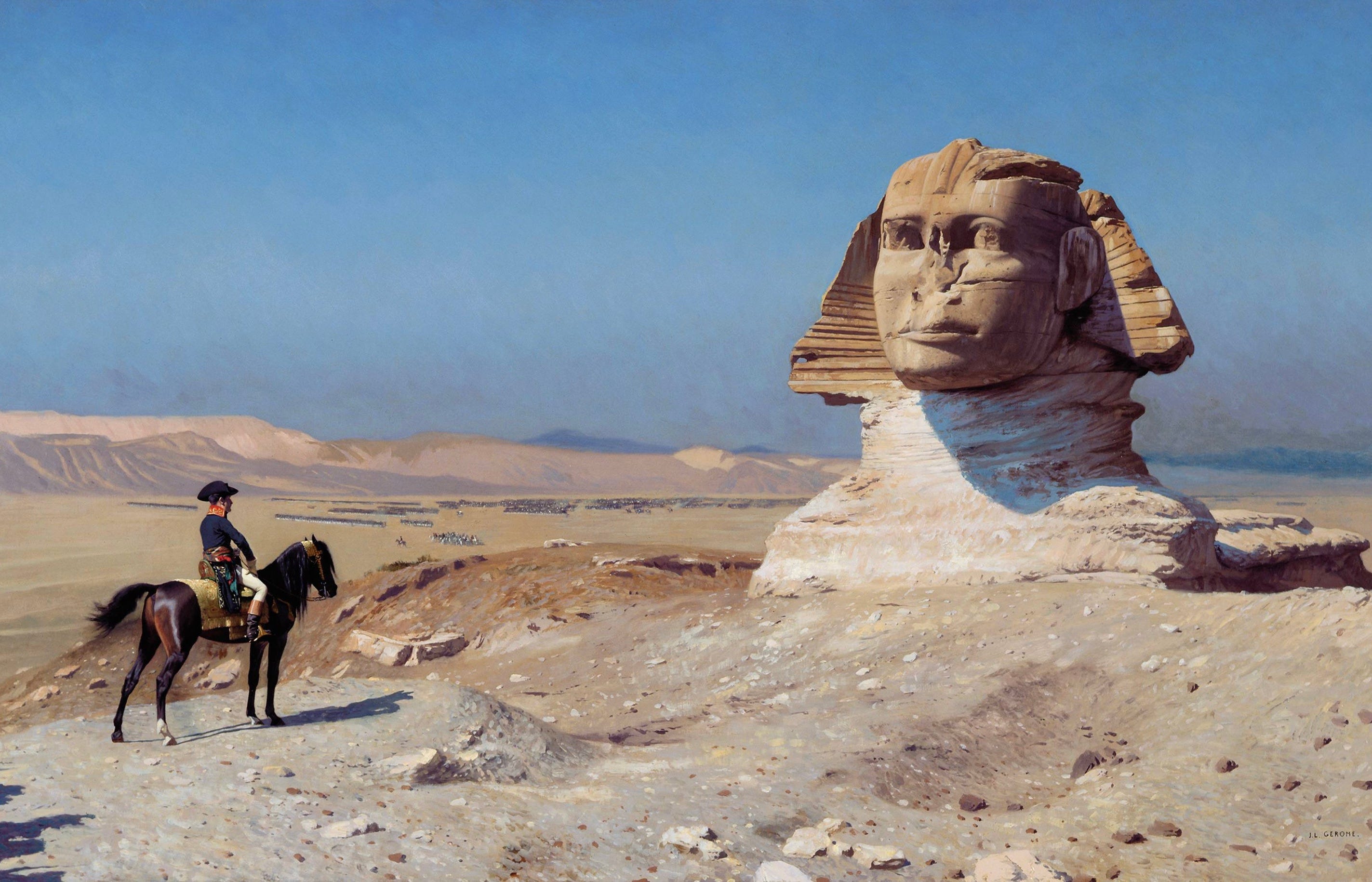

I wondered if ever in my whole life a day would go by when these people I had left behind, my own family, would not appear before me in one way or another.
—Jamaica Kincaid, c. 1967
The white people are like poisonous serpents: when chilled, they are feeble and harmless; but invigorate them with warmth, and they sting their benefactors to death.
—Tecumseh, c. 1811
Nationalism is an infantile disease, the measles of mankind.
—Albert Einstein, 1929
To think ill of mankind, and not wish ill to them, is perhaps the highest wisdom and virtue.
—William Hazlitt, 1823
When the Lord your God gives them over to you and you defeat them, then you must utterly destroy them.
—Deuteronomy, c. 1272 BC
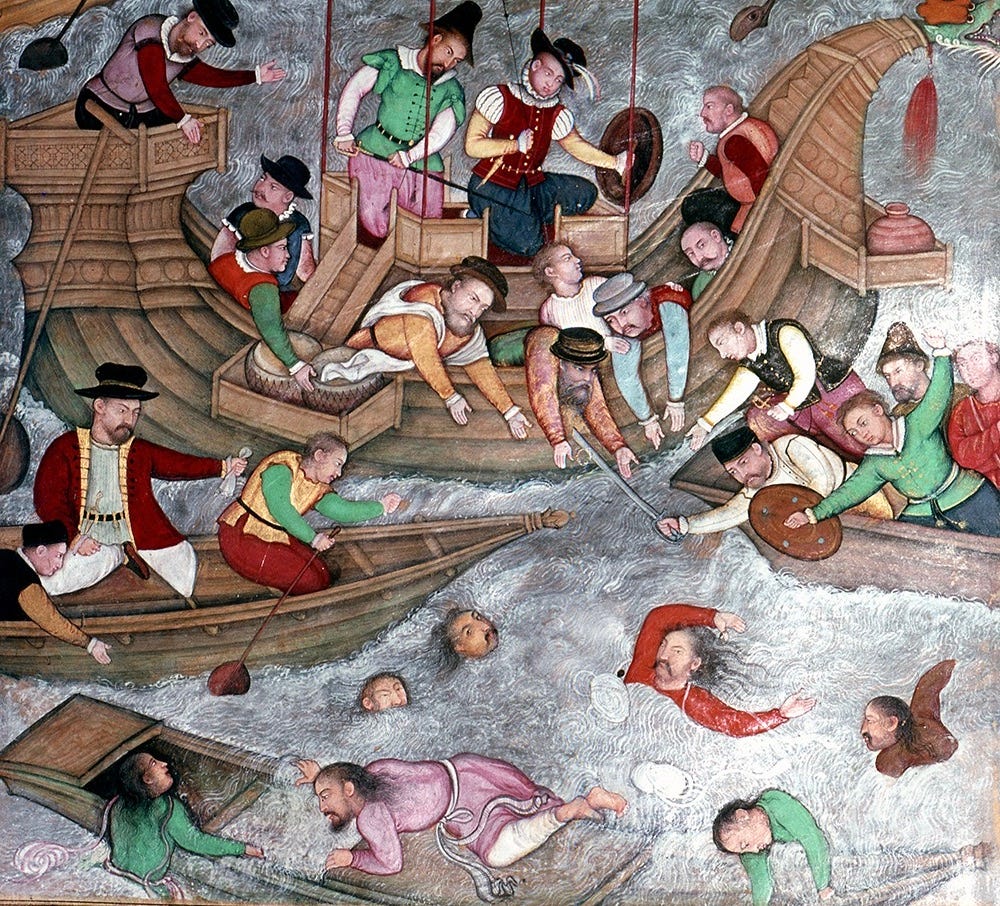
There is no foreign land; it is the traveler only that is foreign.
—Robert Louis Stevenson, 1883
Of troubles none is greater than to be robbed of one’s native land.
—Euripides, 431 BC
If we are going to admit claims based on conquest thousands of years ago, the whole world will have to be turned upside down.
—George Sydenham Clarke, 1922
The noblest kind of retribution is not to become like your enemy.
—Marcus Aurelius, c. 175
I love that religion that is based upon the glorious principle, of love to God and love to man; which makes its followers do unto others as they themselves would be done by. If you demand liberty to yourself, it says, grant it to your neighbors.
—Frederick Douglass, 1846
We decided to make no terms with them, and marching out the next day exterminated the whole, with the exception of the Tritonomendetes. These too, when they saw what was going on, made a rush for the gills, and cast themselves into the sea. We went over the country, now clear of enemies, and occupied it from that time in security. Our usual employments were exercise, hunting, vine dressing, and fruit gathering.
—Lucian, c. 150
By nature, men are nearly alike; by practice, they get to be wide apart.
—Confucius, c. 500 BC
If a country is a land of defined and defended borders, within which resides a people of a common ancestry, history, language, faith, culture, and traditions, in what sense are we Americans one nation and one people today?
—Pat Buchanan, 2014
Do not neglect to show hospitality to strangers, for by doing that some have entertained angels without knowing it.
—Hebrews, c. 60
Those who design a city to create a great empire must strive with great diligence to fill it full of inhabitants, because without this abundance of men it will never succeed in becoming a great city. This may be done in two ways: either through love or through force.
—Niccolò Machiavelli, 1517
One of the most time-consuming things is to have an enemy.
—E.B. White, 1958
Lapham’s Quarterly is a project of the American Agora Foundation, which is dedicated to fostering an appreciation of, and acquaintance with, the uses and value of history. Please help us continue our work. Donate today.

FOREIGNERS
Winter 2015