

Extracts
On Happiness

Selected from the Summer 2019 issue of Lapham’s Quarterly.
A lifetime of happiness! No man alive could bear it: it would be hell on earth.
—George Bernard Shaw, 1903
How to gain, how to keep, how to recover happiness is in fact for most men at all times the secret motive of all they do.
—William James, 1902
Happiness does not dwell in herds, nor yet in gold.
—Democritus, c. 420 BC
O, how bitter a thing it is to look into happiness through another man’s eyes.
—William Shakespeare, c. 1599
A large income is the best recipe for happiness I ever heard of.
—Jane Austen, 1814
The right to the pursuit of happiness is nothing else than the right to disillusionment phrased in another way.
—Aldous Huxley, 1956
The struggle itself toward the heights is enough to fill a man’s heart. One must imagine Sisyphus happy.
—Albert Camus, 1942
To constantly pursue something you can never catch is a form of madness.
—David Wootton, 2019
Happiness is not something you can catch and lock up in a vault like wealth. Happiness is nothing but everyday living seen through a veil.
—Zora Neale Hurston, 1939
The only way to get happiness is by giving it away.
—Napoleon Hill, 1928
Happiness is a mystery like religion, and should never be rationalized.
—G.K. Chesterton, 1905
Seize from every moment its unique novelty, and do not prepare your joys.
—André Gide, 1897
Human happiness never remains long in the same place.
—Herodotus, c. 430 BC
Just to fill the hour—that is happiness.
—Ralph Waldo Emerson, 1844
Ecstasy means being “outside oneself,” as indicated by the etymology of the Greek word: the act of leaving one’s position (stasis). To be “outside oneself ” does not mean outside the present moment, like a dreamer escaping into the past or the future. Just the opposite: ecstasy is absolute identity with the present instant, total forgetting of past and future.
—Milan Kundera, 1993
That is happiness: to be dissolved into something complete and great.
—Willa Cather, 1918
The happy ending is our national belief.
—Mary McCarthy, 1947
The things that do attain
The happy life be these, I find:
The riches left, not got with pain;
The fruitful ground; the quiet mind.

—Henry Howard, 1547
No mockery in this world ever sounds to me so hollow as that of being told to cultivate happiness. What does such advice mean? Happiness is not a potato, to be planted in mold and tilled with manure.
—Charlotte Brontë, 1853
Whatever the apparent cause of any riots may be, the real one is always want of happiness.
—Thomas Paine, 1792
There is no greater disaster than not to know contentment.
—Laozi, c. 550 BC
The world owes all its onward impulses to men ill at ease. The happy man inevitably confines himself within ancient limits.
—Nathaniel Hawthorne, 1851
A mind always employed is always happy. This is the true secret, the grand recipe for felicity.
—Thomas Jefferson, 1787
Human happiness is rare. There are no happy periods, only happy moments.
—John Berger, 1984
A multitude of small delights constitute happiness.
—Charles Baudelaire, 1897
I had rather be in a state of misery and envied for my supposed happiness than in a state of happiness and pitied for my supposed misery.
—Elizabeth Inchbald, 1793
Men who are unhappy, like men who sleep badly, are always proud of the fact.
—Bertrand Russell, 1930
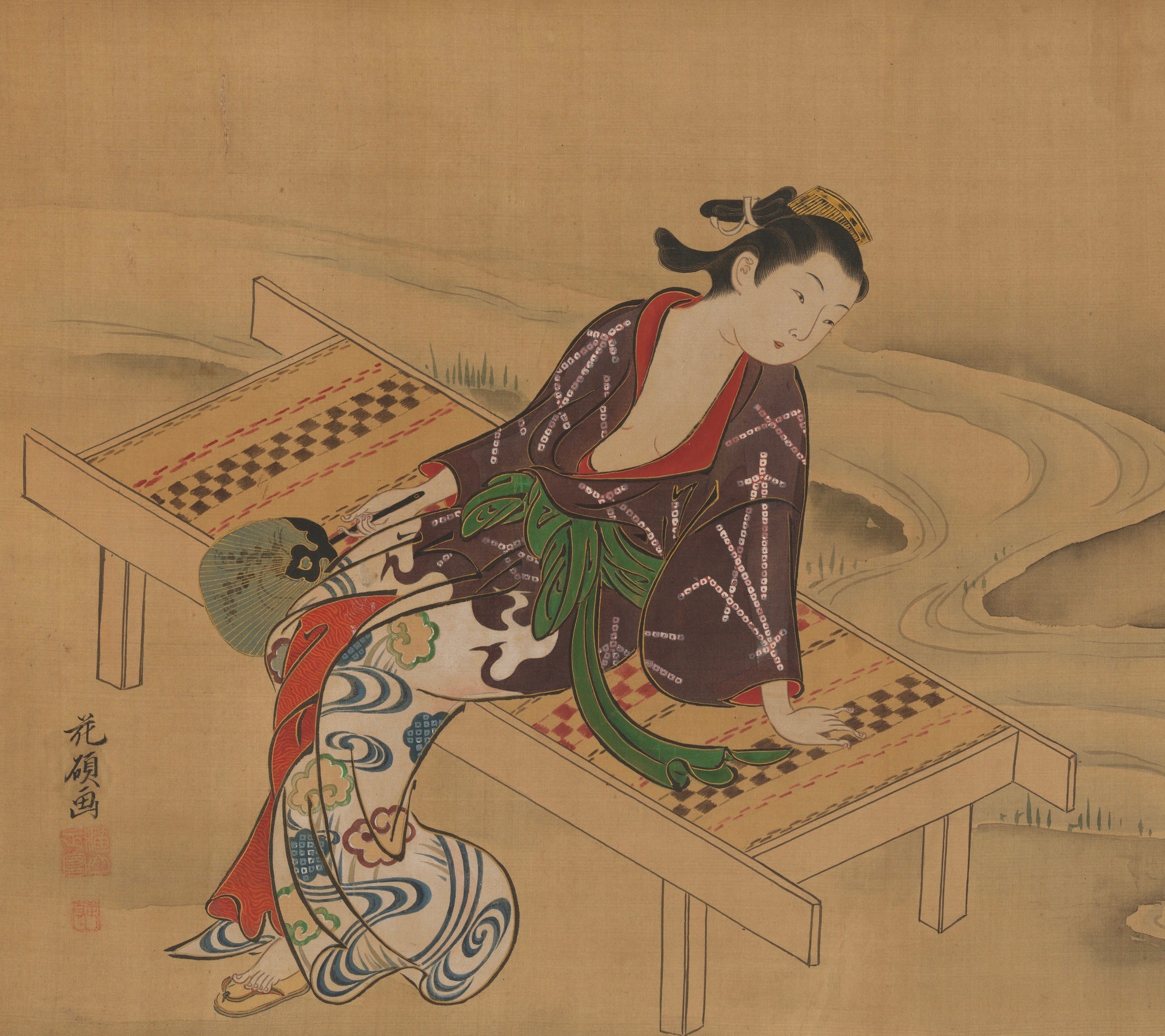
One is never as unhappy as one thinks, nor as happy as one hopes.
—La Rochefoucauld, 1664
If I had any known want, I should have a certain wish; that wish would excite endeavor, and I should not then repine to see the sun move so slowly toward the western mountains, or to lament when the day breaks, and sleep will no longer hide me from myself.
—Samuel Johnson, 1759
In every ill turn of fortune, the most unhappy sort of unfortunate man is the one who has been happy.
—Boethius, c. 520
With freedom, flowers, books, and the moon, who could not be perfectly happy?
—Oscar Wilde, 1897
It is living happily, not, as Antisthenes said, dying happily, that constitutes human felicity.
—Michel de Montaigne, 1580
Happiness does not dwell in herds, nor yet in gold.
—Democritus, c. 420 BC
The mere sense of living is joy enough.
—Emily Dickinson, 1870
Lapham’s Quarterly is a project of the American Agora Foundation, which is dedicated to fostering an appreciation of, and acquaintance with, the uses and value of history. Please help us continue our work. Donate today.
HAPPINESS
Summer 2019