

Extracts
On Swindle & Fraud

Selected from the Spring 2015 issue of Lapham’s Quarterly.

The only form of lying that is absolutely beyond reproach is lying for its own sake, and the highest development of this is lying in art.
—Oscar Wilde, 1889
He who utters a false thing for a true, which however he assumes to be true, may be called erring and rash, but he is not rightly said to lie, because he has not a double heart when he utters it, nor does he wish to deceive, but is deceived.
—Saint Augustine, 395
Life is the art of being well deceived.
—William Hazlitt, c. 1817
And, after all, what is a lie? ’Tis but the truth in masquerade.
—Lord Byron, 1822
Honesty, for me, is usually the worst policy imaginable.
—Patricia Highsmith, 1960
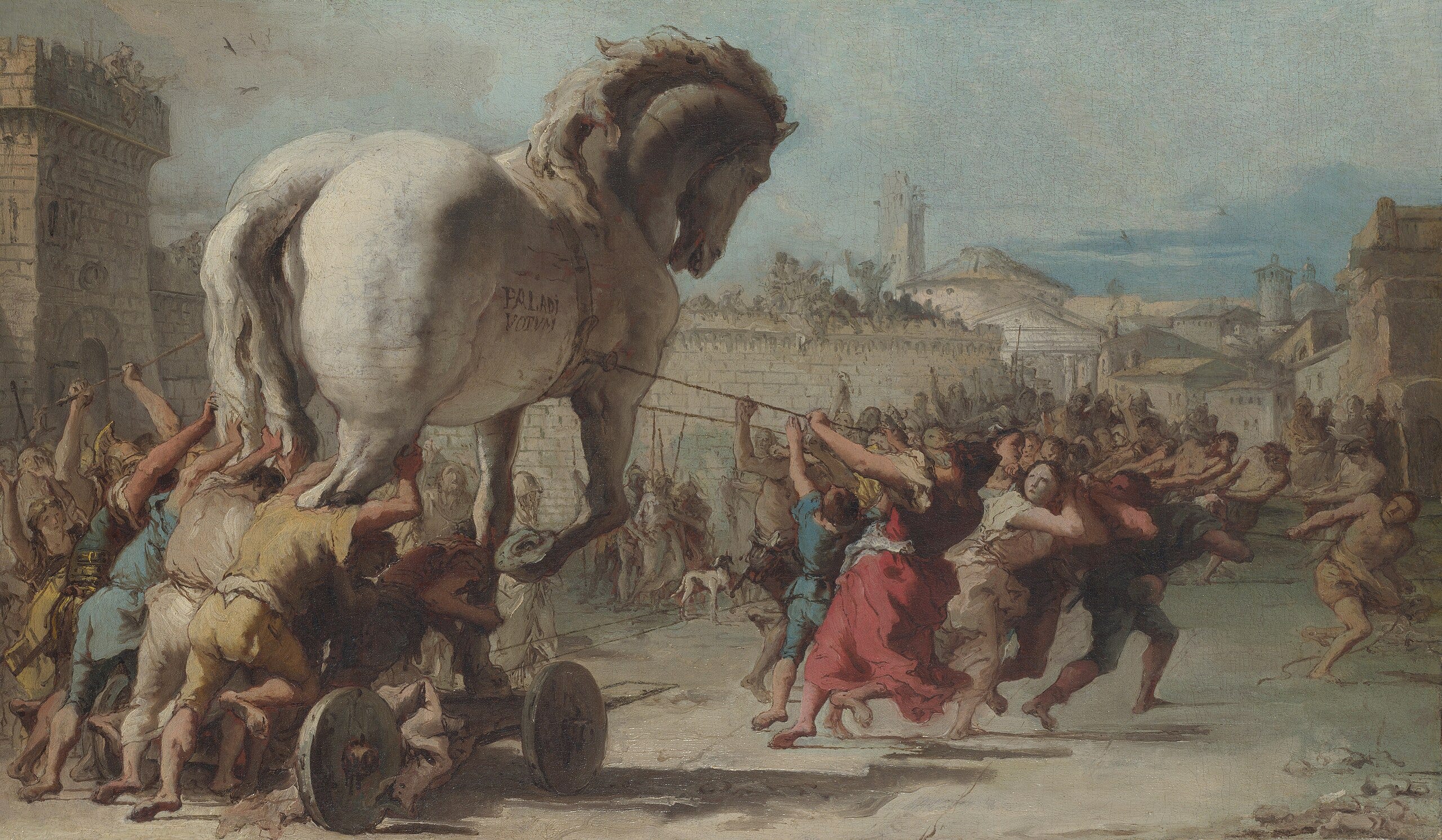
Grow your tree of falsehood from a small grain of truth.
—Czesław Miłosz, 1946
Fact is, when all is bound up together, it’s sometimes confusing. The uncanonical part should be bound distinct. And, now that I think of it, how well did those learned doctors who rejected for us this whole book of Sirach. I never read anything so calculated to destroy man’s confidence in man.
—Herman Melville, 1857
Credulity forges more miracles than trickery could invent.
—Joseph Joubert, 1811
For I can prove that the papacy has been subject not only to Satan, but to other bishops, yea, also to temporal powers, to the emperors. How did the rock prevail then against the gates of hell? I will leave the choice to them: either these words mean defeat for the papacy, or God is a liar. Let us see which they will choose.
—Martin Luther, 1520
Children and fools cannot lie.
—John Heywood, 1546
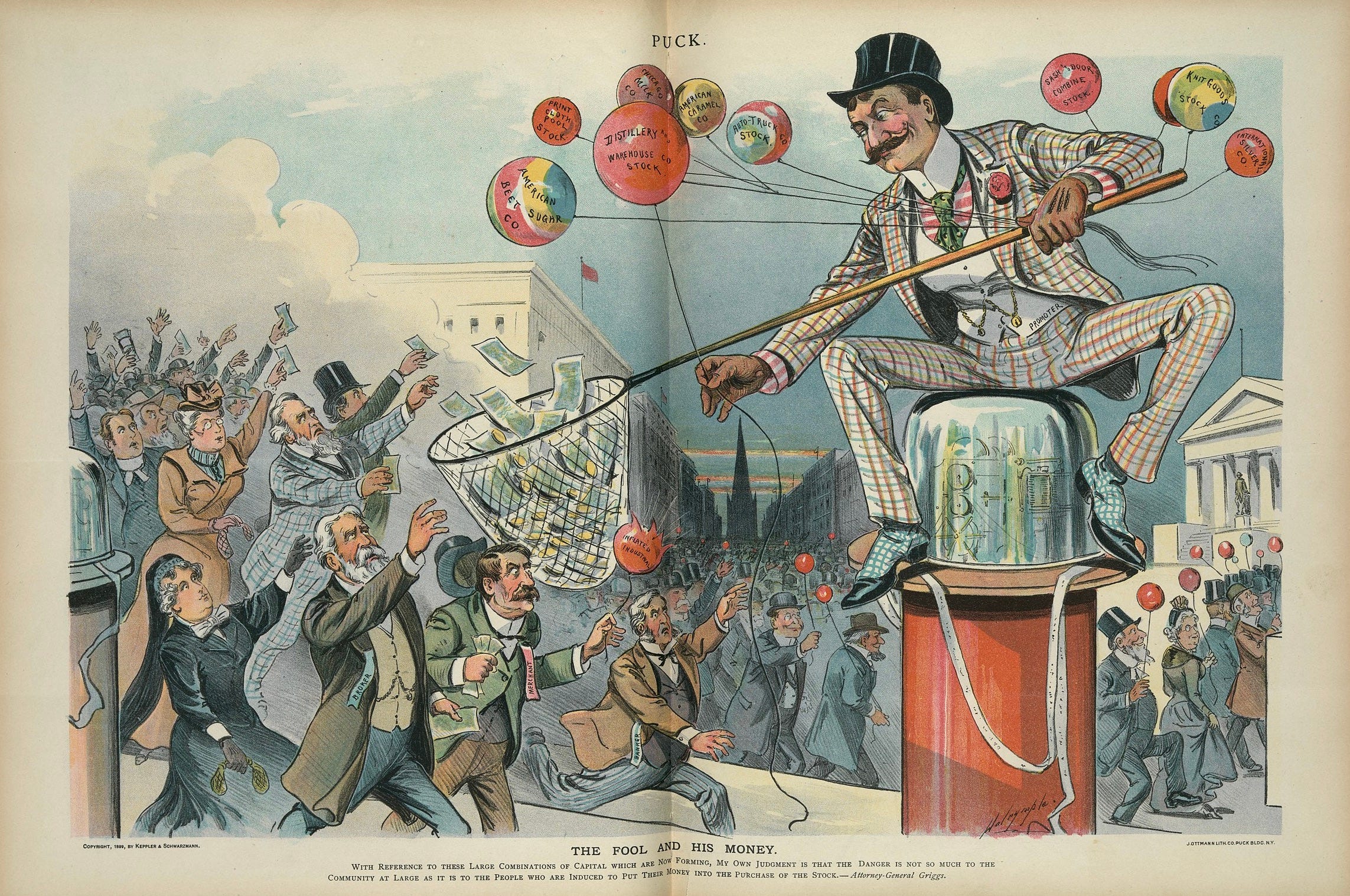
I was told all you needed was charm and a crisp new bill.
—Lawrence Osborne, 2012
He had discovered a great law of human action, without knowing it—namely, that in order to make a man or a boy covet a thing, it is only necessary to make the thing difficult to attain.
—Mark Twain, 1844
The advertisements were truly philanthropic. One of them bore the rousing headline: “Money! Money!! Money!!!”
—Sinclair Lewis, 1922
And the world lives on trade. Commerce! A romantic exchange of commodities and property. Romance. ’Magination.
—H.G. Wells, c. 1885
Although Mr. Rockefeller no doubt heard weekly from the pulpit that the “law and the prophets” were all summed up in doing as you would be done by, it is quite probable he had never seen any connection between the doctrine and railroad rebates.
—Ida M. Tarbell, 1905
There was no treachery too base for the world to commit.
—Virginia Woolf, 1927
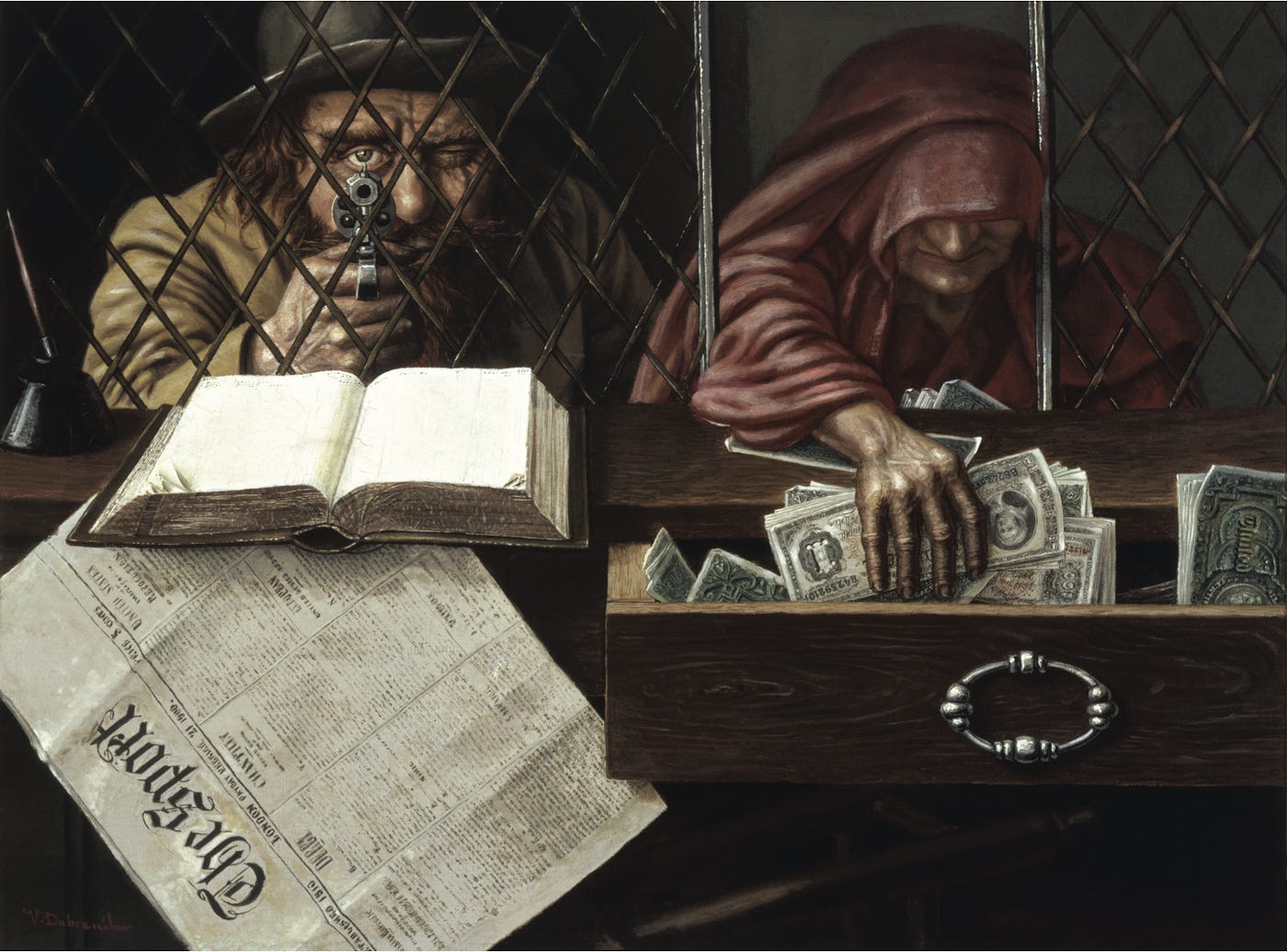
Alongside all swindlers the state now stands there as swindler-in-chief.
—Jacob Burckhardt, c. 1875
Our whole system rests upon the sanctity of the fiduciary relations. Whoever betrays them, a director of a railroad no less than a member of Congress or the trustee of an orphans’ asylum, is the common enemy of every man, woman, and child who lives under representative government.
—Charles Francis Adams Jr., 1869
In most cases men willingly believe what they wish.
—Julius Caesar, 52 BC
Even in this, the birth of our government, some members were found sordid enough to bend their duty to their interests, and to look after personal rather than public good.
—Thomas Jefferson, 1790
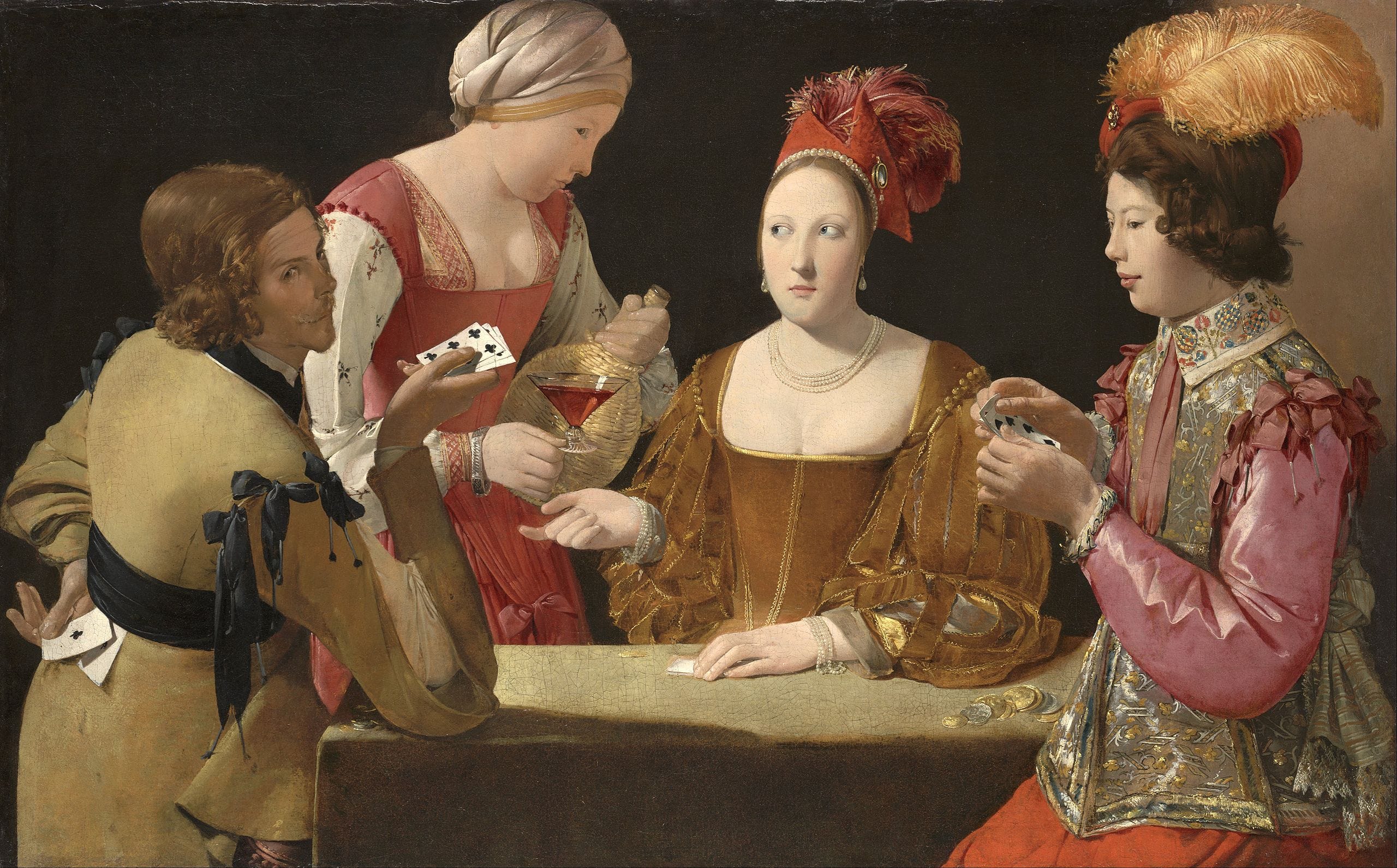
We spend so much time deceiving others that we end by deceiving ourselves.
—La Rochefoucauld, 1678
We have pretended well enough to one another. Can’t we, united, pretend to the world?
—Charles Dickens, 1864
We have to distrust each other. It is our only defense against betrayal.
—Tennessee Williams, 1953
It was the men I deceived the most that I loved the most.
—Marguerite Duras, 1987
Someone who knows too much finds it hard not to lie.
—Ludwig Wittgenstein, 1947
I pronounce him who thus virtually slanders his father and dishonors his mother, and defiles the sanctities of home, and the glory of patriotism, and the merchant’s honor, and the martyr’s grave, and the saint’s crown—who does not even know that every sham shows that there is a reality, and that hypocrisy is the homage that vice pays to virtue—I pronounce him—no, I do not pronounce him a humbug, the word does not apply to him. He is a fool.
—P.T. Barnum, 1865
Another morning soon shall rise,
Another day salute our eyes,
As smiling and as fair as she,
And make as many promises:

But do not thou
The tale believe,
They’re sisters all,
And all deceive.

—Anna Laetitia Barbauld, 1780
Have I not the diviner within me, who has told me the true nature of good and evil, and has expounded the signs that indicate both? What further need have I, then, of the entrails of victims or the flight of birds?
—Epictetus, c. 108
Lapham’s Quarterly is a project of the American Agora Foundation, which is dedicated to fostering an appreciation of, and acquaintance with, the uses and value of history. Please help us continue our work. Donate today.
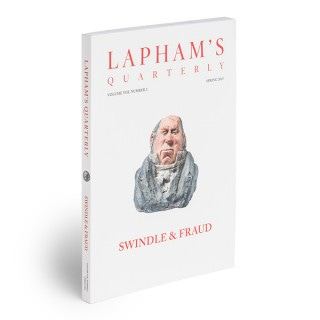
SWINDLE & FRAUD
Spring 2015